Chronicle of a mass kidnapping: The day Nigeria’s Kurmin Wali changed | Armed Groups News
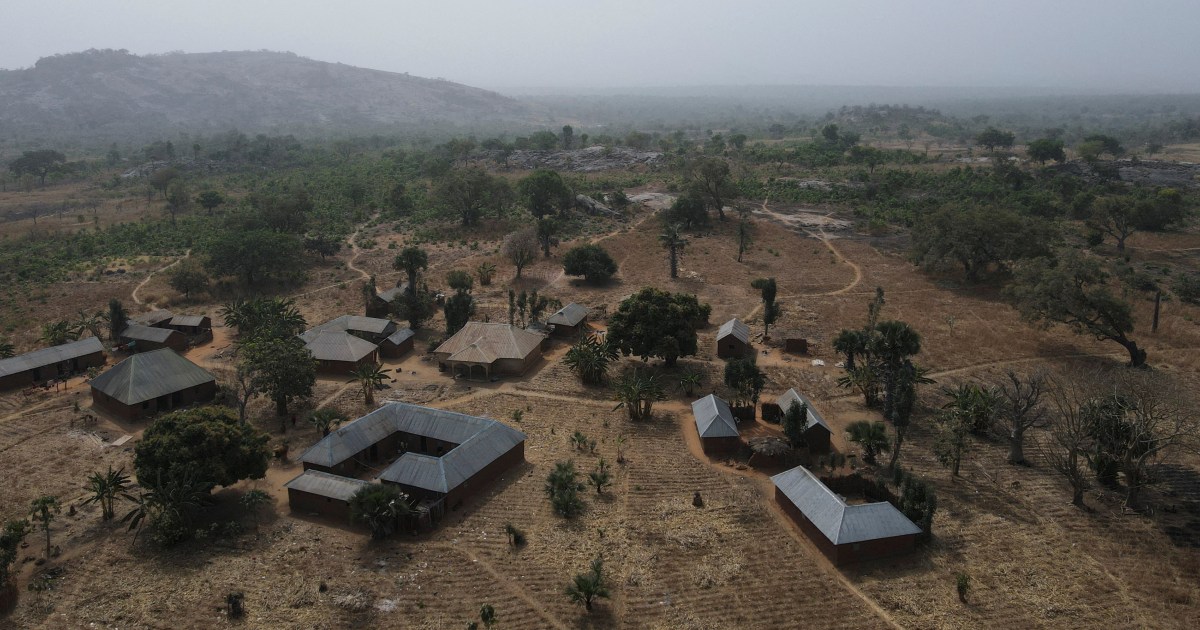
Kurmin Wali, Nigeria – Like most Sundays in Kurmin Wali, the morning of January 18 began with early preparations for church and, later on, shopping at the weekly market.
But by 9:30am, it became clear to residents of the village in the Kajuru local government area of Nigeria’s Kaduna State that this Sunday would not be a normal one.
Recommended Stories
list of 3 itemsend of list
Gunmen known locally as bandits arrived in the village in numbers, armed with AK47 rifles.
They broke down doors and ordered people out of their homes and the village’s three churches.
They blocked the village exits before taking people and marching dozens into the forest at gunpoint.
Some captives were taken from church, while others were forcibly kidnapped as gunmen moved from house to house.
In one house, more than 30 members of an extended family were abducted.
Jummai Idris, a relative of the family that was taken, remains inconsolable.
She was home the day of the attack and did not go out.
“When I heard shouting, I took two children and we hid behind a house. That was how they [the bandits] missed us,” she told Al Jazeera.
“But I heard every shout, every cry and footstep as they picked up people from our house and surrounding houses,” she added, between sobs.
With tears streaming down her face, Idris recounts how she kept calling out the names of her missing family members – men, women and children.
Her house sits on the edge of the village, close to a bandits’ crossing point.
“I don’t know what they are doing to them now. I don’t know if they’ve eaten or not,” she said.
A total of 177 people were abducted that day. Eleven escaped their captors, but about a quarter of Kurmin Wali’s population remains captive.
Initially, state officials denied the attack had taken place.
In the immediate aftermath, Kaduna’s police commissioner called reports a “falsehood peddled by conflict entrepreneurs”.
Finally, two days later, Nigeria’s national police spokesman, Benjamin Hundeyin, admitted an “abduction” had indeed occurred on Sunday. He said police had launched security operations with the aim of “locating and safely rescuing the victims and restoring calm to the area”.
Uba Sani, Kaduna state’s governor, added that more than just rescuing the abductees, the government was committed to ensuring “that we establish permanent protection for them”.
There has been a police presence in Kurmin Wali since then. But it is not enough to reassure villagers.
Locals say the police are not there to protect the village, but merely to compile the names of victims they for days denied existed.
At the premises of Haske Cherubim and Seraphim Movement Church, the largest church in the village, days after the attack, a rust-coloured door lay on the floor, pulled off its hinges. Inside the mud-brick building, the site was chaotic.
Plastic chairs overturned in panic were strewn around the room – just as the kidnappers had left them.

‘Only the recklessly bold can stay’
The church building was where the captors brought everyone before marching them into the forest surrounding the village.
Residents said the gunmen divided themselves into different groups, targeting homes and churches in the village.
Maigirma Shekarau was among those taken before he managed to escape.
“They tied us, beat us up, before arriving us into the bush. We trekked a long distance before taking a break,” he said of his journey with his captors.
Shekarau, a father of five, was holding his three-year-old daughter when he and others were taken.
“When we reached an abandoned village, I ducked inside a room with my little daughter when the attackers weren’t looking. I closed the door and waited. After what seemed like eternity, and sure they were gone, I opened the door and walked back home, avoiding the bush path,” he said, now back in the village.
But on returning home, his heart sank. He and his three-year-old were the only ones who made it home. The rest of the family is still held by the kidnappers.
Standing in a parched field of long dried grass, Shekarau says the village no longer feels like home.
The village chief was also taken, but managed to escape. He now presides over a community hopeful for the return of the missing – but too scared to stay.
“Everyone is on edge. People are confused and don’t know what to do. Some haven’t eaten. There are entire families that are missing,” said Ishaku Danazumi, the village chief.
Danazumi says the kidnappers regularly visit and loot the village grain stores and the villagers’ possessions, including mobile phones.
Two days after the attack, residents said the bandits rode through their village again.
On that day, the community also received a ransom demand.
“They accused us of taking 10 motorcycles they hid in the bush to evade soldiers who operated here the week before,” Danazumi said. “But we didn’t see those bikes.”
The chief said the captors told him the return of the 10 bikes was a precondition for the return of his people.
But deep inside, he knows, more demands will follow.
In the village, residents wait in their thatch and mud-brick houses, hoping for their loved ones to return.
But because of fear and the tense situation, many are leaving the farming community.
“Anyone thinking about remaining in this village needs to reconsider,” said Panchan Madami, a resident who also survived the attack.
“Only the recklessly bold can stay with the current state of security here.”
Villagers said that before the January 18 attack, 21 people kidnapped by the bandits were returned to them after a ransom was paid. But just two days later, a quarter of the village was taken.
“It will be stupid to stay here, hoping things will be OK,” added Madami.
The government says it will establish a military post to protect the community from further attacks. But that is not comforting enough for Idris, who has also made up her mind to leave.
“I’m not coming back here,” she said, gathering her belongings to leave the village where she grew up and married. “I just hope the rest of my family gets back.”





Post Comment