Anthropic sues Trump administration to undo US ‘supply chain risk’ tag | Donald Trump News
In its lawsuit, Anthropic said the designation was unlawful and violated its free speech and due process rights.
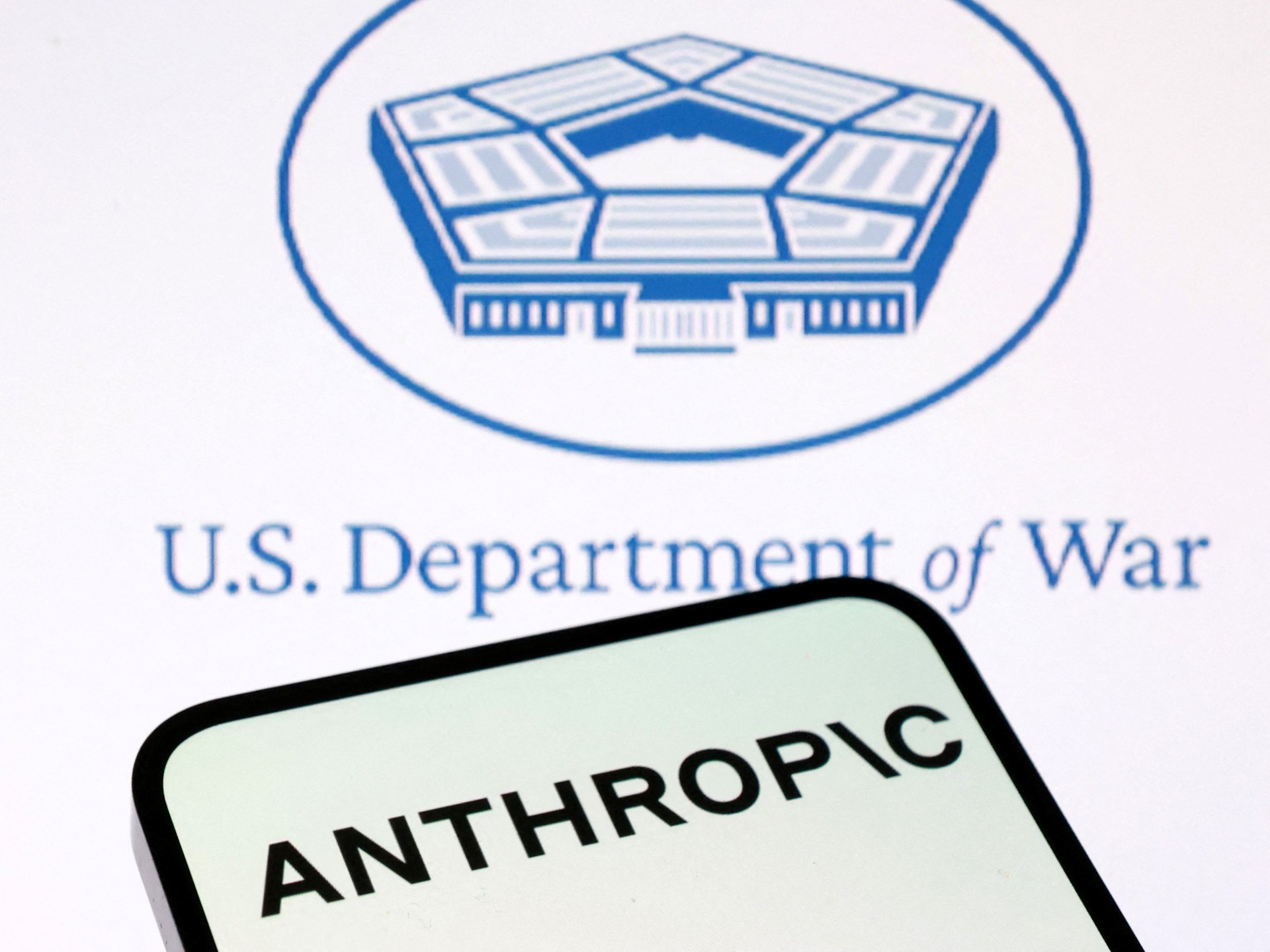
Anthropic has filed a lawsuit to block the Pentagon from placing it on a US national security blacklist, escalating the artificial intelligence lab’s high-stakes battle with the administration of United States President Donald Trump over usage restrictions on its technology.
Anthropic said in its lawsuit on Monday that the designation was unlawful and violated its free speech and due process rights. The filing in federal court in the US state of California asked a judge to undo the designation and block federal agencies from enforcing it.
Recommended Stories
list of 4 itemsend of list
“These actions are unprecedented and unlawful. The Constitution does not allow the government to wield its enormous power to punish a company for its protected speech,” Anthropic said.
The Pentagon on Thursday slapped a formal supply-chain risk designation on Anthropic, limiting use of a technology that the Reuters news agency reported, citing an unnamed source, was being used for military operations in Iran.
US Defense Secretary Pete Hegseth designated Anthropic after the startup refused to remove guardrails against using its AI for autonomous weapons or domestic surveillance. The two sides had been in increasingly contentious talks over those limitations for months.
Trump and Hegseth said there would be a six-month phase-out.
The company also seeks to undo Trump’s order directing federal employees to stop using its AI chatbot, Claude.
The legal challenge intensifies an unusually public dispute over how AI can be used in warfare and mass surveillance — one that has also dragged in Anthropic’s tech industry rivals, particularly OpenAI, which made its own deal to work with the Pentagon just hours after the government punished Anthropic for its stance.
Anthropic filed two separate lawsuits Monday, one in California federal court and another in the federal appeals court in Washington, DC, each challenging different aspects of the government’s actions against the company.
Anthropic officials said the lawsuit doesn’t preclude reopening negotiations with the US government and reaching a settlement. The company has said it does not want to be fighting with the US government. The Pentagon said it would not comment on litigation. Last week, a Pentagon official said the two sides were no longer in active talks.
Threat to business
The designation poses a big threat to Anthropic’s business with the government, and the outcome could shape how other AI companies negotiate restrictions on military use of their technology, though the company’s CEO Dario Amodei clarified on Thursday that the designation had “a narrow scope” and businesses could still use its tools in projects unrelated to the Pentagon.
Trump and Hegseth’s actions on February 27 came after months of talks with Anthropic over whether the company’s policies could constrain military action and shortly after Amodei met with Hegseth in hopes of reaching a deal.
Anthropic said it sought to restrict its technology from being used for two high-level usages: mass surveillance of Americans, and fully autonomous weapons. Hegseth and other officials publicly insisted the company must accept “all lawful” uses of Claude and threatened punishment if Anthropic did not comply.
Designating the company a supply chain risk cuts off Anthropic’s defence work using an authority that was designed to prevent foreign adversaries from harming national security systems. It was the first time the federal government was known to have used the designation against a US company.
The Pentagon said US law, not a private company, would determine how to defend the country, and insisted on having full flexibility in using AI for “any lawful use”, asserting that Anthropic’s restrictions could endanger American lives.
Anthropic said even the best AI models were not reliable enough for fully autonomous weapons and that using them for that purpose would be dangerous.
After Hegseth’s announcement, Anthropic said in a statement that the designation would be legally unsound and set a dangerous precedent for companies that negotiate with the government. The company said it would not be swayed by “intimidation or punishment”.
Last week, Amodei also apologised for an internal memo published on Wednesday by tech news site The Information. In the memo, published February 27, Amodei said Pentagon officials did not like the company in part because “we haven’t given dictator-style praise to Trump.”
Even as it fights the Pentagon’s actions, Anthropic has sought to convince businesses and other government agencies that the Trump administration’s penalty is a narrow one that only affects military contractors when they are using Claude in work for the Department of Defense.
Making that distinction clear is crucial for the privately held Anthropic because most of its projected $14bn in revenue this year comes from businesses and government agencies that are using Claude for computer coding and other tasks. More than 500 customers are paying Anthropic at least $1m annually for Claude, according to a recent investment announcement that valued the company at $380bn.

Post Comment