Qatar says Iran attack caused significant damage at Ras Laffan gas facility | US-Israel war on Iran News
Published On 18 Mar 2026
|
Updated: 25 minutes ago
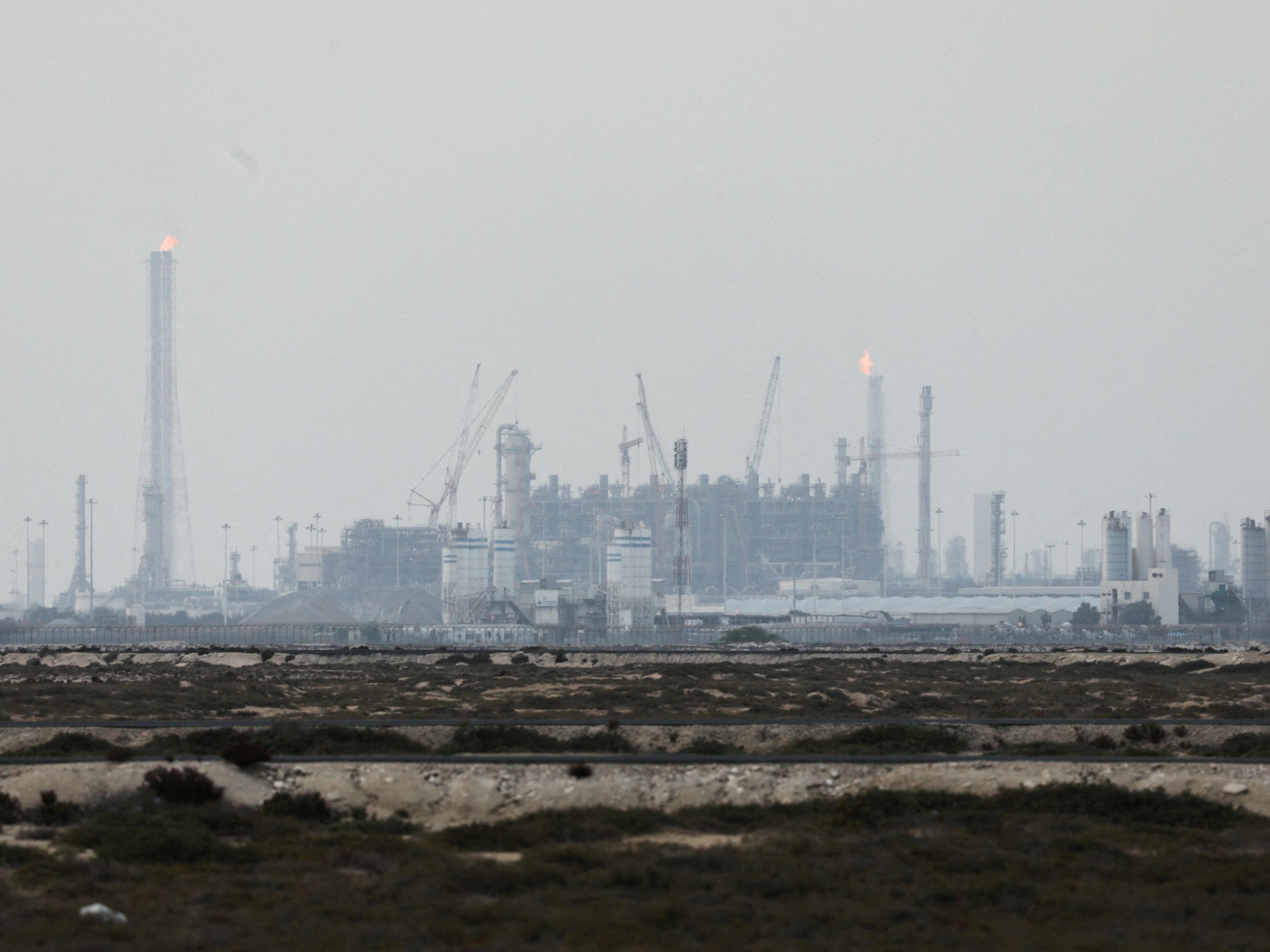
Qatar has said Iranian missile attacks on the Ras Laffan Industrial City, the country’s main gas facility, have caused “significant damage”.
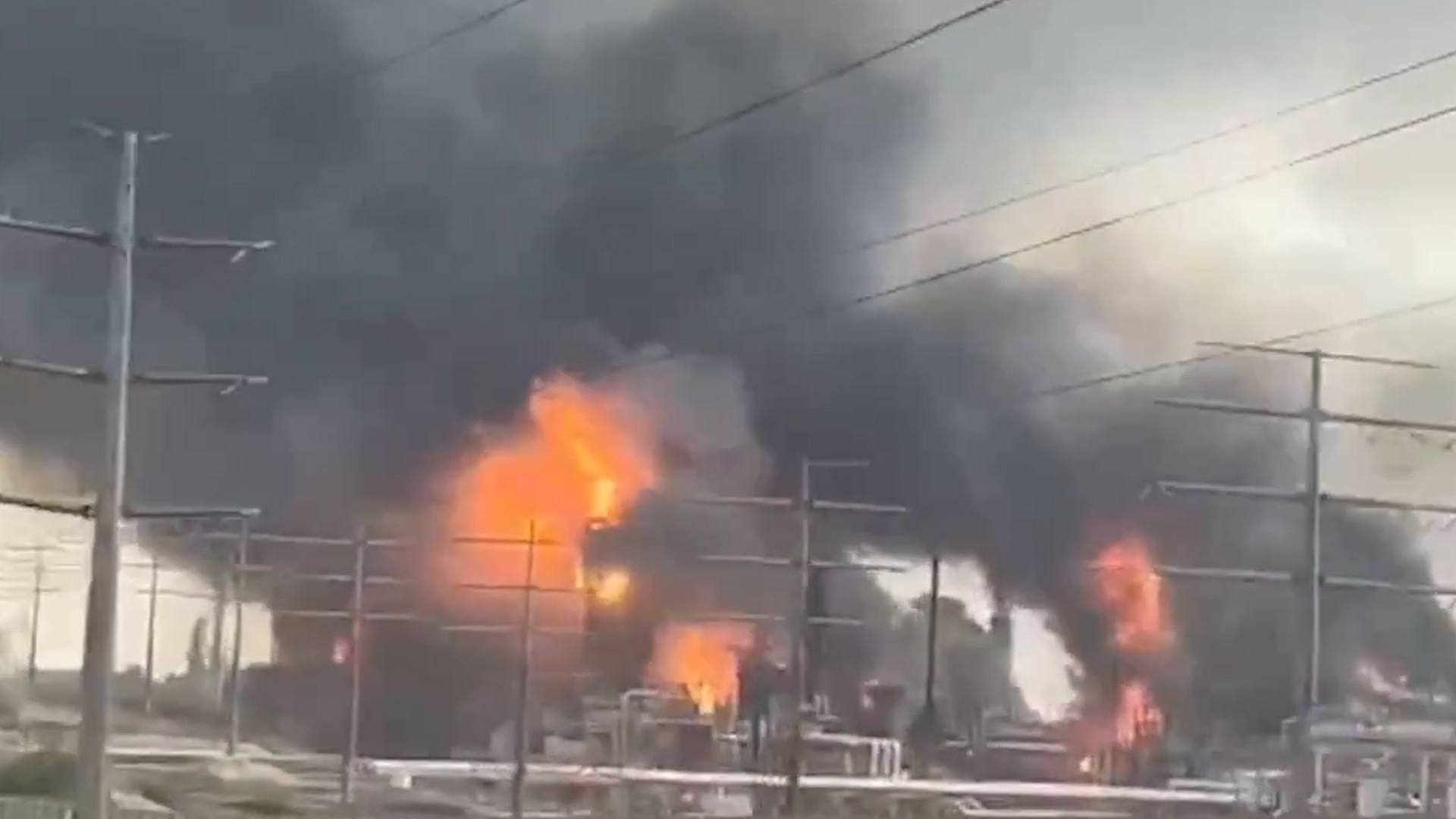
“The State of Qatar expresses its strong condemnation and denunciation of the blatant Iranian attack targeting Ras Laffan Industrial City, which caused fires resulting in significant damage to the facility,” Qatar’s Ministry of Foreign Affairs said in a statement on Wednesday.
Recommended Stories
list of 4 itemsend of list
Qatar’s Ministry of Interior said a fire at the site had been preliminarily brought under control and that no injuries were reported.
“All personnel have been accounted for and no casualties have been reported at this time,” said QatarEnergy, the world’s largest liquefied natural gas (LNG) producer.
The announcements came hours after Iran threatened to attack oil and gas facilities across the Gulf region in retaliation for an Israeli attack on its South Pars gasfield, as the fallout from the United States-Israeli war on the country continues to escalate.
Iran’s warning of attacks was directed at Qatar’s Mesaieed Petrochemical complex, Mesaieed Holding Company and Ras Laffan Refinery; Saudi Arabia’s Samref Refinery and Jubail Petrochemical complex; and the United Arab Emirates’ Al Hosn gasfield.
Qatar’s Foreign Ministry declared the Iranian embassy’s military and security attaches as persona non grata, along with their staff.
The ministry said it demanded that they leave Qatar within 24 hours, adding that the decision came as a result of Iran’s repeated attacks.
“Qatar considers this assault a dangerous escalation, a flagrant violation of its sovereignty, and a direct threat to its national security,” it said.
“The Iranian side continues its escalatory policies that are pushing the region toward the brink and drawing countries not party to this crisis into the conflict zone.”
French President Emmanuel Macron said he had spoken to Qatar’s emir, Sheikh Tamim bin Hamad Al Thani, and US President Donald Trump following the attacks.
“It is in our common interest to implement, without delay, a moratorium on strikes targeting civilian infrastructure, particularly energy and water supply facilities,” Macron said.
“Civilian populations and their essential needs, as well as the security of energy supplies, must be protected from military escalation.”
On March 2, Qatar suspended LNG production following an attack on the Ras Laffan facility as well as on a water tank at a power plant in Mesaieed Industrial City.
The Ras Laffan complex, located 80km (50 miles) northeast of Doha, is the world’s largest LNG production facility and produces about 20 percent of the global LNG supply, playing a major role in balancing both Asian and European markets’ demand for the fuel.
“This is what Qatar’s wealth is built on,” Al Jazeera’s Victoria Gatenby said. “We’ve also have had alerts here in Doha and the threat level has been raised.”
Rachel Ziemba, a senior fellow at the think tank Center for a New American Security, said the fact that Ras Laffan had already paused production meant there would be no new global supply shock in the near term.
“But it could put further pressure on regional power supplies,” Ziemba told Al Jazeera. She added that it also “risks prices staying high for longer”.
Babak Hafezi, professor of international business at American University, said rising LNG prices would affect European markets.
“Since the start of the Ukrainian war and the destruction of the Nord Stream pipelines, the Germans and the [European Union] have become net importers of LNG,” Hafezi told Al Jazeera. Other countries reliant on LNG include Japan, Turkiye and India.
“The smaller countries with weaker economies in the Global South will be hurt the most, as LNG price increases will lead to demand destruction,” he said.
The attack on Ras Laffan comes as Saudi Arabia was scheduled to host a meeting of foreign ministers from Arab and Muslim-majority countries in Riyadh to discuss finding an off-ramp from this conflict.
“The focus of this meeting now will very much be on the threats they are facing from Iran and dealing with the aftermath of those attacks,” Al Jazeera’s Gatenby said.
Saudi Arabia’s Ministry of Defence on Wednesday said its air defences had intercepted four ballistic missiles launched towards Riyadh, as well as two launched towards the country’s eastern region.
Alerts were issued warning of danger in the governorates of Riyadh and al-Kharj by Saudi Arabia’s National Early Warning Platform for Emergency Cases.
The UAE’s Defence Ministry said its air defences dealt with 13 ballistic missiles and 27 drones coming from Iran.
Operations were suspended at the Habshan gas facility as authorities responded to two incidents of fallen debris after the successful interception of a missile, Abu Dhabi’s media office said.
The Bab oilfield was also targeted, the office added. No injuries were reported.
The Defence Ministry said that since the start of the attacks, it has faced 327 ballistic missiles, 15 cruise missiles and 1,699 drones.

Post Comment