US-Israel war on Iran: What’s happening on day 30 of attacks? | US-Israel war on Iran News
Foreign ministers from Pakistan, Turkiye, Egypt and Saudi Arabia hold talks in Islamabad to end US-Israel war on Iran.

Published On 29 Mar 2026
Foreign ministers from Pakistan, Turkiye, Egypt and Saudi Arabia are scheduled to hold talks in Islamabad aimed at ending the US-Israel war on Iran, which has entered its 30th day.
The diplomatic efforts come as the conflict has escalated across the Middle East, with Yemen’s Houthis joining the war by firing missiles at Israel on Saturday.
Recommended Stories
list of 3 itemsend of list
Meanwhile, Tehran has threatened retaliatory attacks on Israeli and US universities in the region after the United States and Israel bombed Iranian universities.
As tensions continue to escalate and the global energy crisis worsens, here’s what we know on day 30 of the war:
In Iran
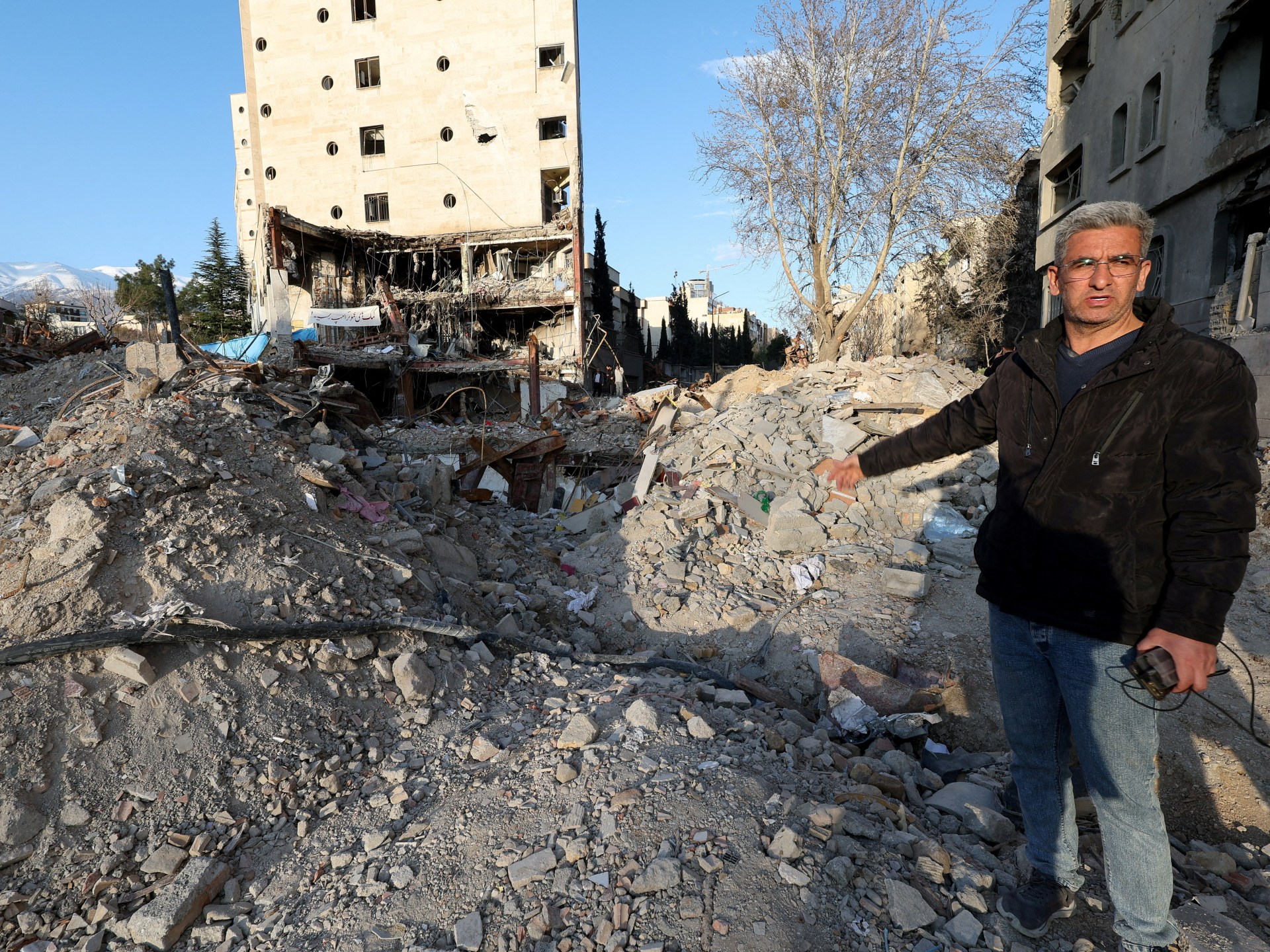
- US-Israeli strikes: Powerful explosions rocked Tehran on Sunday morning. Two people were killed and five wounded in the attack on a residential area in a village near Shaft city, Iran’s Mehr news agency reported. The Iranian Fars news agency reported that US-Israeli attacks also hit the Saadat Abad neighbourhood of northern Tehran and another residential area in the west of the capital. It said three people were wounded in Saadat Abad and nine in western Tehran.
- Attack on civilian infrastructure: There were attacks on Saturday that killed a family of four in Bushehr province and hit a water facility in Khuzestan province.
- Attack on Kurdish region leader: Iran accused the US and Israel of attacking the residence of the president of the Iraqi Kurdish region and said it follows the pattern of “cowardly assassinations” of senior Iranian officials by the two countries.
- Press TV lists IRGC targets: The broadcaster reported that the Iranian Revolutionary Guard Corps “used long-range and medium-range solid and liquid-fuelled systems and attack drones to target several industries belonging to the Israeli-American enemy” in Israel and other locations on Saturday. It claimed that the IRGC shot down a US MQ9 drone and hit an F-16 jet.
- Iranian attacks: The Iranian army said it targeted an electronic warfare and radar centre, operated by Israeli defence technology company Elta, at the military aerospace complex in the port city of Haifa, as well as a fuel storage centre at Ben Gurion airport on Saturday.
- Iran’s power underestimated: Al Jazeera’s Mohamed Vall, reporting from Tehran, said one month into the war, Iran has proved that its power was underestimated by the enemy, who thought that the war would be a short excursion and that the country would capitulate after just a few days of bombardment and the decapitation of the head of the system.
- Nuclear exit treaty: Al Jazeera’s Maziar Motamedi, reporting from Tehran, said Iranian politicians are pushing for the country’s exit from the Nuclear Non-Proliferation Treaty (NPT) as the US and Israel ramp up their attacks on civilian nuclear sites, factories and universities.
In the Gulf
- Saudi Arabia intercepts missiles: The Saudi Defence Ministry said it intercepted and destroyed 10 drones in the early hours of Sunday.
- UAE intercepts missiles: The UAE Ministry of Defence said its air defences responded to missiles and drone threats, and that sounds across the country were those of “engaging operations”.
- Attacks in Abu Dhabi: Emirates Global Aluminium said an Iranian attack on Saturday inflicted significant damage on one of its sites in Abu Dhabi and wounded six employees.
- Attacks in Bahrain: Aluminium Bahrain, one of the world’s largest aluminium producers, said two of its employees were slightly injured when the facility was struck on Saturday.
- IRGC attacks in Bahrain and Abu Dhabi: In a statement carried by Iranian state broadcaster IRIB, the IRGC claimed the attacks and said both sites were “industries affiliated with and connected to the US military and aerospace sectors in the region”.
- Kuwait intercepts missiles: The Kuwaiti National Guard said its troops shot down four drones after air raid sirens sounded in the Gulf nation for a second time in the early hours of Sunday.
- Qatar-Ukraine defence treaty: Qatar and Ukraine signed a defence agreement seeking joint expertise on countering threats from missiles and drones, as Iran continues attacking its Gulf neighbours.
In Lebanon, Yemen, Iraq, Gaza
- Protests in Lebanon: Protesters have taken to the streets in Beirut after Israeli forces killed journalists Fatima Ftouni and her brother and colleague, Mohammed, of Al Mayadeen, as well as Al-Manar’s Ali Shuaib on Saturday.
- Hezbollah attacks Israel: The Lebanese group said it targeted the Ein Shemer airfield and the Regavim military camp in northern Israel with “a salvo of high-quality missiles” on Saturday. On Sunday, the group said it carried out a missile attack on Israel’s Mahava Alon base and fired drones at the Berea base, both near the northern city of Safad.
- Israeli attacks in Gaza: According to health officials in Gaza, at least six Palestinians, including a child, were killed after Israeli forces launched air attacks on two police checkpoints in southern Khan Younis.
- Houthis attack Israel: On Saturday, Yemen’s Houthi rebels attacked Israel with a barrage of ballistic missiles – their first such strikes since the US-Israel war on Iran began.
- Strikes in Iraq: Air strikes targeted Popular Mobilisation Forces (PMF) sites in two locations, according to Al Jazeera reporters on the ground. An Iraqi police source said a strike hit a PMF site in the Rashidiya area of Mosul, in the north. Separately, a source in the PMF’s media office said a strike hit its headquarters in the Tuz Khurmatu district in Salah ad-Din province.
In Israel
- Protests in Tel Aviv: People took to the streets in Tel Aviv, rallying against the war and increased settler violence, as they clashed with police.
- Death of Israeli soldier: Israel’s military announced the death of a soldier, Moshe Yitzhak HaCohen Katz, in southern Lebanon as Hezbollah’s attacks on northern Israel continue.
- Israel intercepts missiles: The Israeli army said it intercepted two missiles fired from Iran.
- Israel fights on three fronts: Reporting from Amman, Jordan, Al Jazeera’s Rob McBride said Israel is fighting this conflict on three fronts – Iran, Hezbollah in Lebanon and the Houthis in Yemen.
In the US
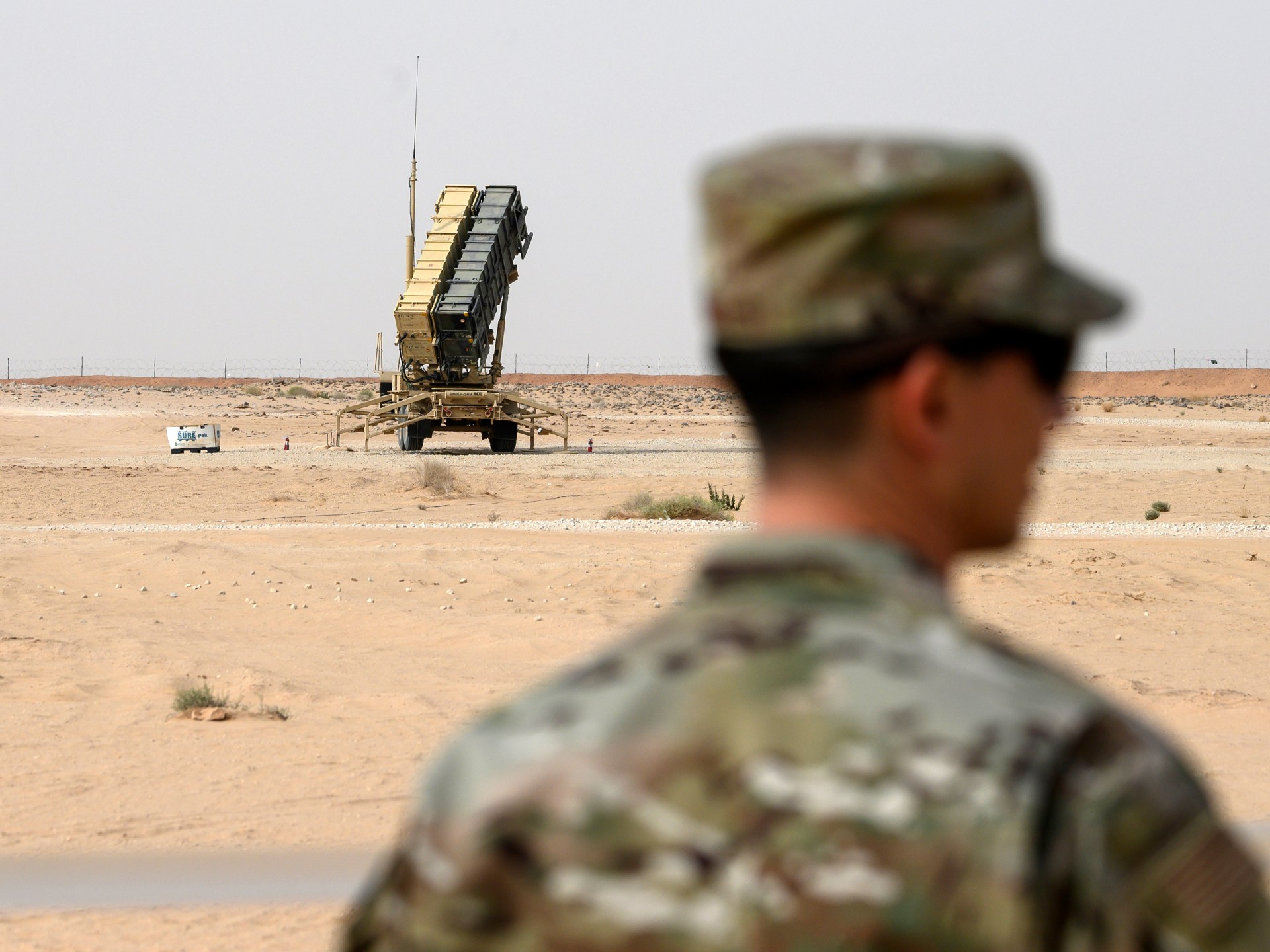
- US Marines in the Middle East: The US Central Command (CENTCOM) said some 3,500 additional soldiers arrived in the Middle East on board the USS Tripoli.
- Preparations for ground war: The Washington Post, quoting unnamed US officials, reported that the Pentagon is preparing for weeks of ground operations in Iran. The officials told the publication that the possible ground operation “would fall short of a full-scale invasion” and could involve raids by special forces and “conventional infantry troops”. Al Jazeera, however, could not independently verify the report.
- Protests against war: Thousands of Americans took to the streets across all 50 states in a wave of No Kings protests, challenging the policies of US President Donald Trump.
- No deal with Iran: Reza Pahlavi, the son of former Iranian shah, spoke at the Conservative Political Action Conference (CPAC) in Texas on Saturday and urged Trump not to cut a deal with Iran and instead seek regime change.
Diplomacy
- Talks in Pakistan: Egypt and Turkiye’s foreign ministers arrived in Pakistan’s capital for a meeting on the regional situation and to de-escalate the war. The Saudi foreign minister will also join the talks.
Fuel and food crises
- Fuel prices continue to soar: Citing Cambodia’s Ministry of Commerce, China’s Xinhua news agency reported that the diesel price in the country rose further by 1.4 percent, from 7,100 riels ($1.78) to 7,200 riels ($1.8) per litre. The LPG price also climbed to 3,400 riels ($0.85) per litre, up 6.2 percent from 3,200 riels ($0.80).
- Pakistan secures Hormuz deal: Iran has agreed to allow 20 Pakistani-flagged vessels to transit the Strait of Hormuz, in what Islamabad called a meaningful step towards easing one of the worst energy crises in modern history. However, Iran continues its chokehold on the strait, through which 20 percent of global oil and gas pass.


Post Comment