UK-led coalition of 40 countries vows action on Hormuz Strait gridlock | US-Israel war on Iran News
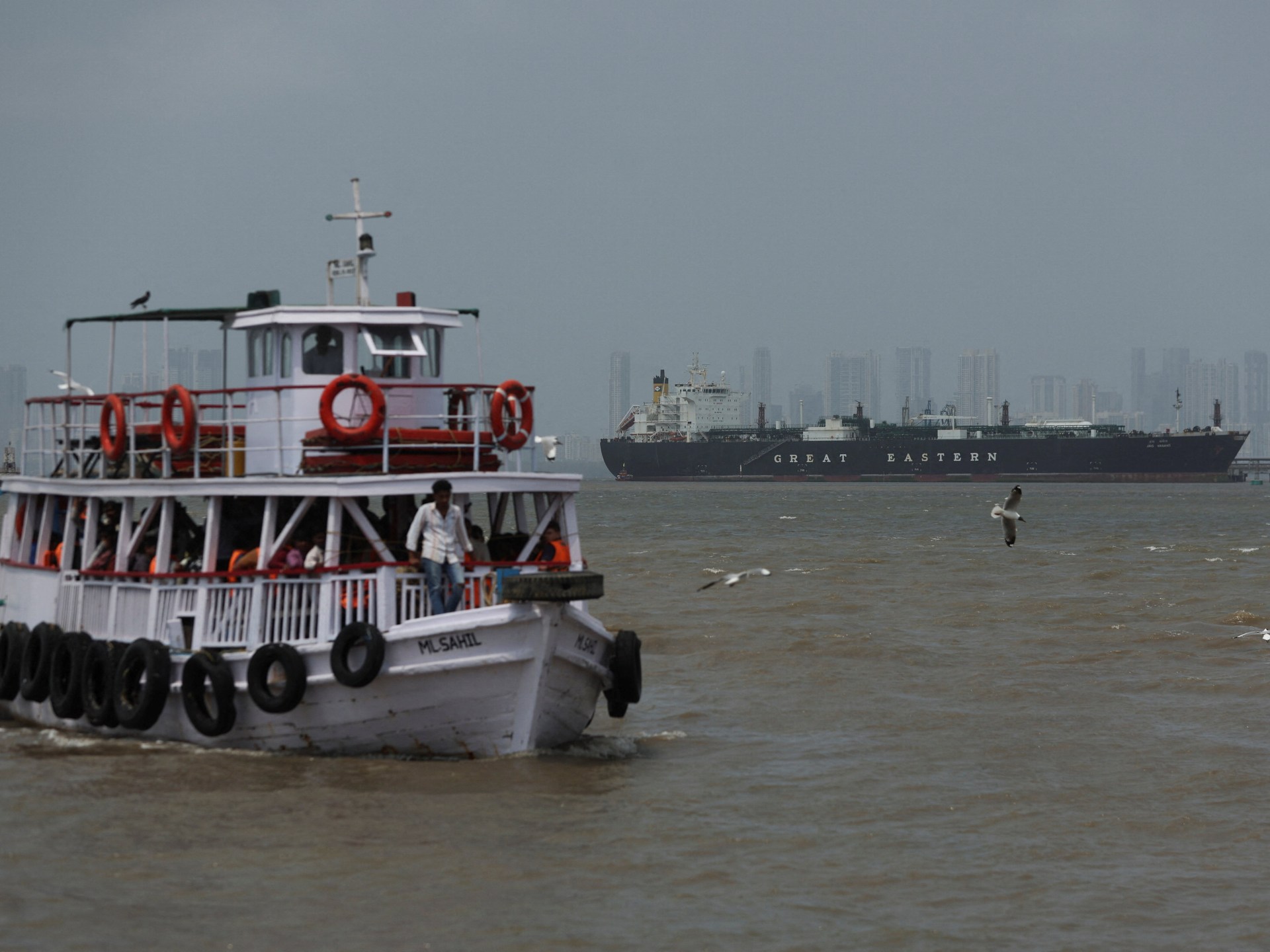
The United Kingdom is gathering foreign ministers from 40 countries to discuss options to reopen the Strait of Hormuz, a vital shipping route that has been choked off by the United States and Israel’s war against Iran.
British Prime Minister Keir Starmer said the virtual summit on Thursday, chaired by UK Foreign Secretary Yvette Cooper, “will assess all viable diplomatic and political measures” to restore the waterway.
Recommended Stories
list of 4 itemsend of list
Iran’s retaliatory attacks on commercial ships, and the threat of more, have halted nearly all traffic in the strait that connects the Gulf to the rest of the globe’s oceans, shutting a critical path for the world’s flow of oil and sending petroleum prices soaring.
The US is not among the countries attending the meeting, which comes after US President Donald Trump stated that securing the waterway is not his country’s job.
Trump has also disparaged the US’s European allies for failing to support the war and renewed his threats to pull the US out of NATO.
The countries participating in Thursday’s summit, including the UK, France, Germany, Italy, Canada, Japan, and the United Arab Emirates, have signed a statement demanding that Iran stop its attempts to block the strait and pledging to “contribute to appropriate efforts to ensure safe passage” through the waterway.
The meeting is considered a first step, to be followed by “working-level meetings” of officials to hammer out details.
“On the plus side, this is a broad coalition. It’s not just Western, it’s not just NATO. It involves countries [like] the UK, France, the Scandinavian countries, Baltic countries, but it also involves Bahrain, it involves the UAE, it involves Panama, it involves Nigeria,” said Al Jazeera’s Rory Challands, reporting from London.
“At the heart of it, though, there is a capabilities question. What can they do? How much naval capacity can any of these countries offer?”
Not by force
No country appears willing to try and open the strait by force while fighting rages and Iran can target vessels with anti-ship missiles, drones, attack craft and mines.
According to Challands, the British prime minister has been “very explicit” about non-military solutions.
“Keir Starmer has no interest in getting involved in this war. Most of the countries gathered [have] no interest in getting involved in the war,” he said.
But Starmer said on Wednesday that military planners from an unspecified number of countries will meet soon to work on how to ensure security for shipping “after the fighting has stopped”.
Starmer said resuming shipping “will not be easy,” and will require “a united front of military strength and diplomatic activity” alongside partnership with the maritime industry.
The coalition is, in part, an attempt to demonstrate to the Trump administration that Europe is stepping up to do more for its own security, especially as the US president threatens to leave NATO.
French President Emmanuel Macron said on Thursday that it is not feasible to launch a military operation to force open the strait.
“This was never the option we have supported because it is unrealistic,” he said.
“It would take forever,” Macron said, and expose those crossing the strait to “coastal threats”, particularly from Iran’s Islamic Revolutionary Guard Corps, which has “significant resources as well as ballistic missiles”.
Macron has suggested the best way to ensure the strait’s opening is by talking directly to Iran.
There have been 23 direct attacks on commercial vessels in the Gulf since joint US-Israeli strikes on Iran ignited the war on February 28, and 11 crew members have been killed, according to Lloyd’s List Intelligence, a shipping data firm.
Iran has said that “non-hostile” ships may transit the Strait of Hormuz and the waterway is only closed to vessels of enemy countries and their allies.

Post Comment