Life in limbo: How Iranians navigate a state of ‘no war, no peace’ | US-Israel war on Iran
In eastern Tehran, Sajjad, a young man in his twenties, stands in front of the twisted iron and shattered concrete that was once his father’s home. The ruins have been left completely untouched since the bombardment.
“Who will rebuild all this?” he asks, his voice thick with grief.
Recommended Stories
list of 4 itemsend of list
Sajjad’s despair captures the suspended reality of millions in the Iranian capital. A fragile truce between the United States and Iran has paused air attacks, and Pakistani-mediated talks have sent Iranian Foreign Minister Abbas Araghchi to Islamabad, Muscat, and Moscow in recent days.
Yet on the streets of Tehran, the absence of bombing does not equate to peace.
The architecture of waiting
Across the city, the disparity in recovery is stark.
While labourers rush to patch cracked facades and repair shattered windows on partially damaged structures, completely levelled residential blocks and official buildings remain frozen in time.

Mohammad, a 39-year-old architect, explains that the cost of building a single unit has multiplied in recent months.
The US-imposed maritime blockade has further devalued the national currency, while damage to domestic steel companies has driven up material costs. The country’s currency had already plummeted before the war due to decades of punishing US sanctions.
Even if funds were available, deep-seated psychological and security fears create even greater obstacles. Authorities have told displaced residents they must either rebuild the properties themselves or wait for post-war public tenders once a definitive peace is reached.
“If the war returns tomorrow, everything we build will be a new target,” Sajjad says.
For 52-year-old Maryam, the housing crisis is acute. Her home near the supreme leader’s office was destroyed in the first wave of strikes.
Initially placed in a government-funded hotel, she recently received an eviction notice. While officials promised a rental loan, she says the sum is woefully inadequate.
“I don’t know how we will live in a small apartment that does not resemble our memories and does not suit our needs,” she says.
An economic blockade
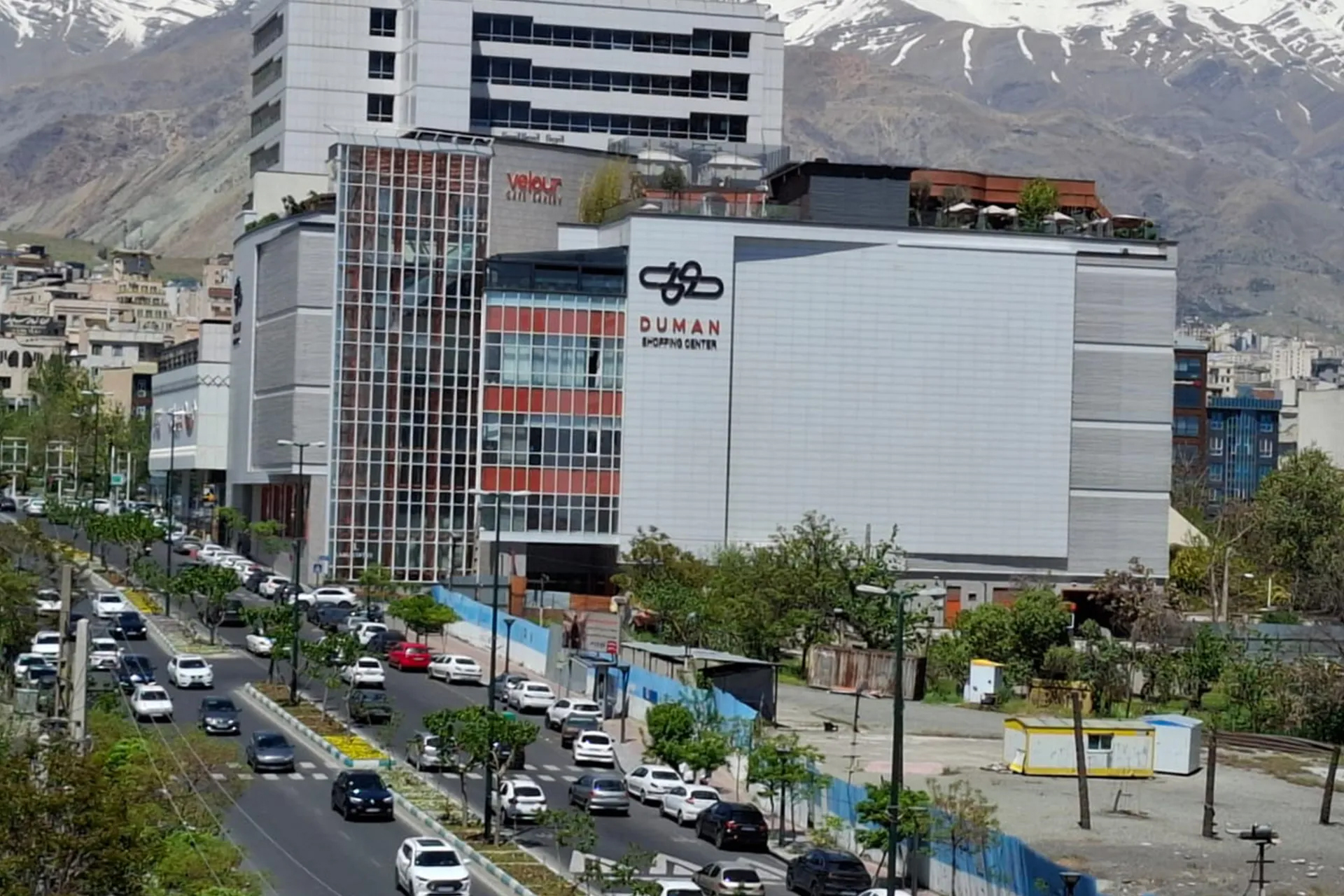
In the Navvab Safavi neighbourhood of western Tehran, streets are crowded and markets are relatively busy as residents rush to compensate for days lost to the war.

However, economic foundations are trembling.
Ashkbous, a 43-year-old administrative employee at the Ministry of Health, notes that government price controls and a longstanding policy of self-sufficiency have prevented mass food shortages.
However, daily price fluctuations for electronics, meat, medicine and construction materials are pushing low-income families to the brink.
The US maritime blockade on southern ports is squeezing the country’s supply chains.
Tehran is attempting to bypass the stranglehold using overland routes through neighbouring countries and a “shadow fleet” in Gulf waters. But for Iranian merchants, the logistical nightmare is mounting.
Fereydoun, a 71-year-old trader, says rerouted shipments have severely disrupted delivery schedules and skyrocketed costs, forcing customers to settle for cheaper, lower-quality local alternatives.
“How can we order a cargo container when we don’t know if we will wake up tomorrow to the return of war or a stricter blockade?” Fereydoun asks, noting that many businesses have chosen to freeze their operations entirely.
It is a sentiment of profound uncertainty echoed by Yousra, a 47-year-old Tehran resident navigating the bustling but anxious markets.
“I feel like I am literally hanging between two walls,” she says.
“The wall of anxiety over the resumption of war and the wall of hope for a political path to peace. What we are living through today is neither peace nor war, but psychological and economic attrition.”

Post Comment