Bangladesh sets February election after year of political upheaval | Elections News
Bangladesh prepares for a pivotal vote as the interim government struggles to restore stability and trust.
Published On 11 Dec 2025
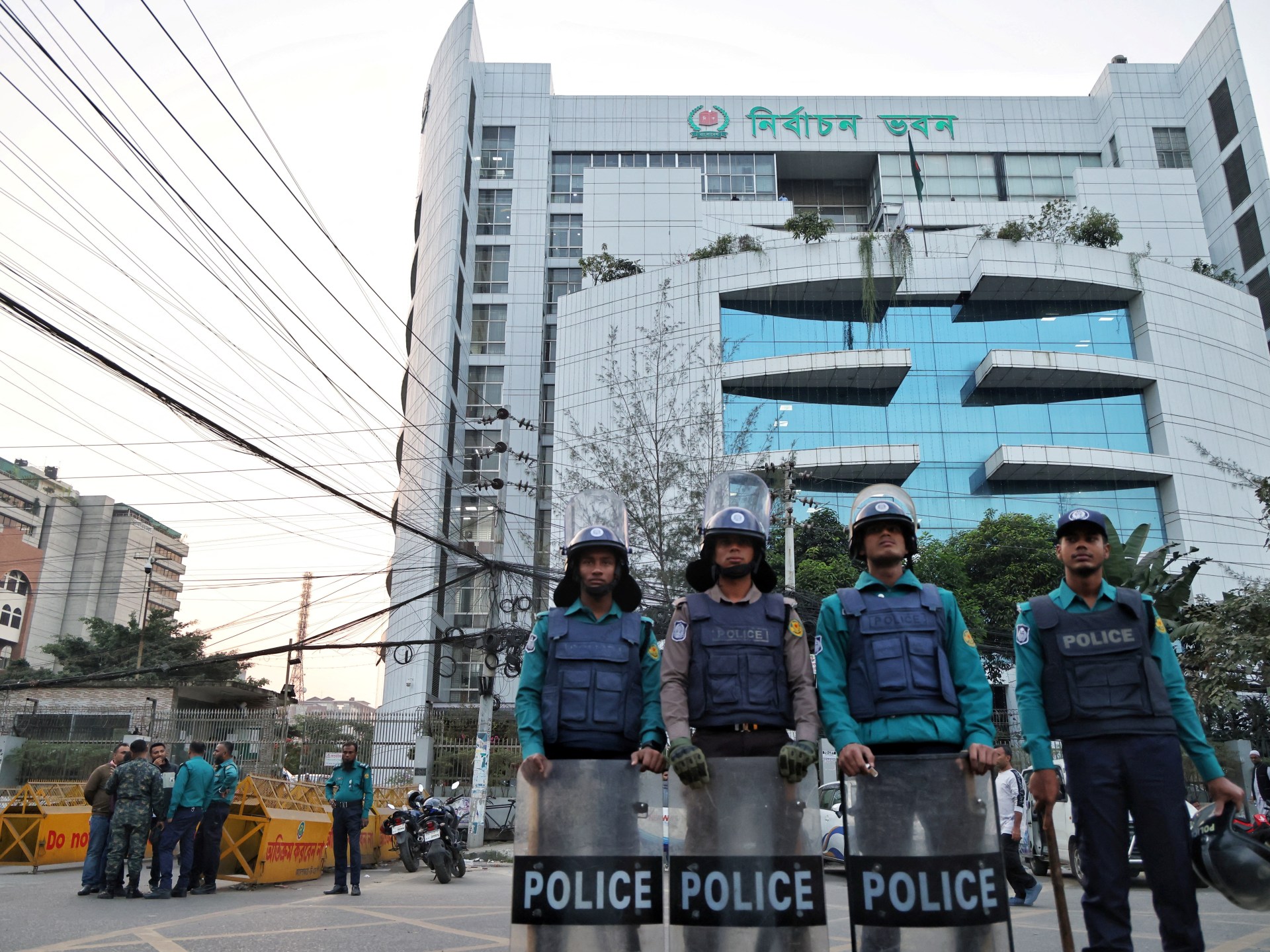
Bangladesh will hold a parliamentary election on February 12, authorities said, in what would be the country’s first national vote since last year’s student-led uprising that removed former Prime Minister Sheikh Hasina.
In a televised address on Thursday, the chief election commissioner AMM Nasir Uddin confirmed the date and said a national referendum on political reforms would also be held on the same day.
Recommended Stories
list of 3 itemsend of list
The announcement comes as the interim administration struggles to steady the political landscape. The caretaker government, led by Nobel laureate Muhammad Yunus, has faced renewed demonstrations over delays to political and institutional reforms promised after Hasina’s removal from power.
Hasina’s party remains excluded from the ballot, and its leaders have warned that unrest could escalate as the campaign gathers pace.
Yunus framed the election schedule as a turning point, saying the country had moved closer to reclaiming democratic norms. “Bangladesh’s democratic journey has crossed an important milestone, strengthening the new path the nation has taken after the historic mass uprising,” he said.
The turbulence of the transition sharpened on Thursday after President Mohammed Shahabuddin, appointed to the largely symbolic post during Hasina’s tenure, announced he would resign once voting concludes. He told the news agency Reuters he intended to step aside midway through his term, saying he had felt humiliated by the Yunus government.
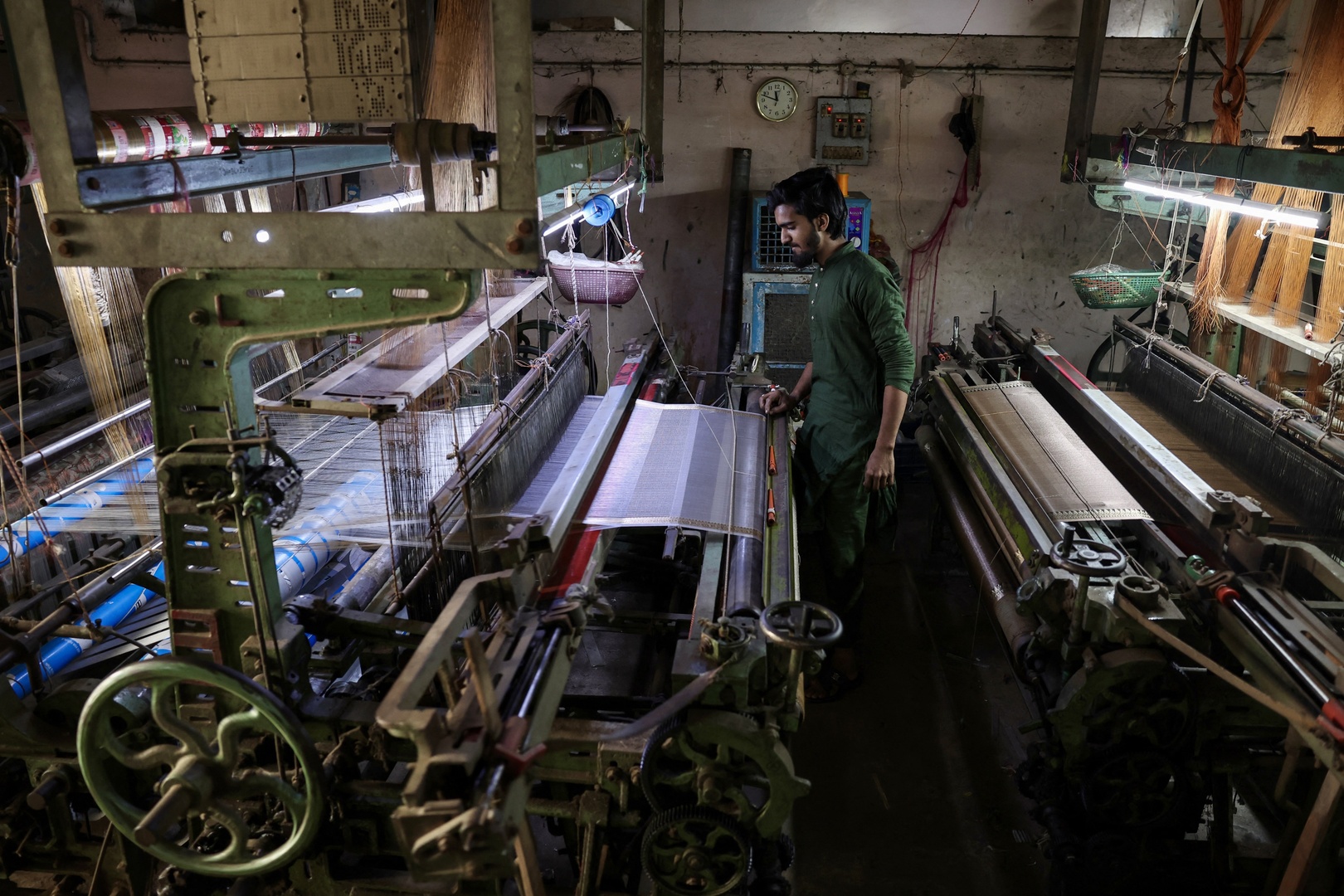
Many voters are focussed on restoring democratic rule, reviving the vital garment-export industry, and recalibrating ties with India, which soured after Hasina fled to India following the upheaval.
Referendum on ‘July Charter’ reforms
Election officials say nearly 128 million people will be able to cast ballots across more than 42,000 polling stations in contests for 300 seats. The poll will coincide with a referendum on the “July Charter”, a reform blueprint drafted in the immediate aftermath of the uprising.
Uddin said that the vote would determine whether the Charter becomes the basis for restructuring state institutions.
The document proposes reducing executive authority, enhancing the judiciary’s independence, strengthening the electoral commission, and stopping the political misuse of law-enforcement agencies.
The race is expected to be dominated by the Bangladesh Nationalist Party (BNP), led by former Prime Minister Khaleda Zia. The BNP is competing alongside Jamaat-e-Islami, which is returning to electoral politics for the first time since a 2013 court ruling barred it under the country’s secular constitution.
A new political force, the National Citizen Party, formed by student leaders who helped organise the 2024 uprising, lags behind, struggling to convert its street mobilisation into a nationwide electoral base.
The BNP has also formally ended its longstanding alliance with Jamaat-e-Islami, presenting itself instead as a liberal and democratic alternative in the post-Hasina era.

Post Comment