A decimated Gaza marks the end of another year of Israeli bombs | Israel-Palestine conflict News
Over the past year, Gaza’s infrastructure has been subjected to a devastating reality.
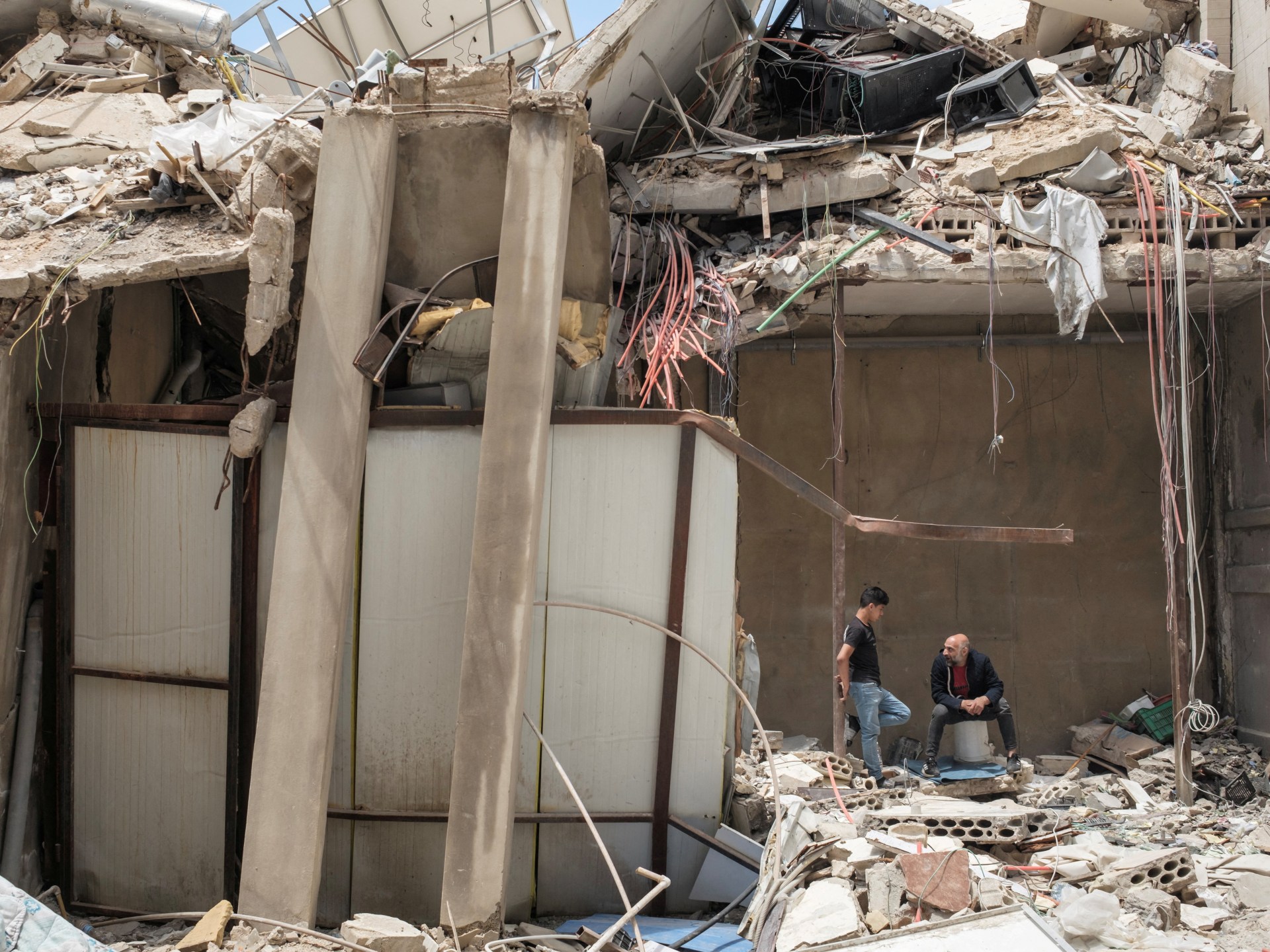
What once functioned under strain has been pushed beyond the point of collapse. Electricity networks, water systems, hospitals, roads and municipal services have been systematically destroyed or severely damaged, leaving daily life defined by survival.
It is not unusual for families to plan their days around the sound of generators, if fuel is available at all. Parents and children queue for hours for a few litres of unsafe water or a pack of bread.
Hospitals operate in near darkness, doctors performing life-saving procedures using mobile phones for light. Streets that once carried children to school are reduced to rubble.
Gaza’s reality is always harsh
Life in Gaza was never easy, even during the moments the outside world labelled as “normal”.
For most people, life was lived with constant uncertainty. You learned not to plan too far ahead, because calm was fragile, always temporary.
There were days with electricity, when the streets felt quieter, and families allowed themselves a small sense of relief, but everyone knew it could disappear at any time.
Gaza’s infrastructure mirrors that. It was fragile long before the latest devastation of Israel’s genocidal war.
Decades of illegal Israeli blockade, repeated military assaults and tight restrictions on construction materials meant systems were always patched up, always operating on borrowed time. Nothing truly recovered.
One of the most visible losses has been electricity. Across the Gaza Strip, darkness is not an exception. Our only power plant was severely damaged and shut down due to fuel shortages; close to 80 percent of power transmission has been destroyed.
For families, this loss is felt in small, relentless ways. A mother charges her phone whenever a neighbour’s generator briefly hums to life, knowing it may be her only chance to contact family.
Children do their homework by candlelight, if they do it at all. Refrigerators sit useless, food spoiling.
Access to water has also deteriorated sharply. Israel’s bombardment damaged wells, desalination plants and pumping stations. Without electricity or fuel, clean water cannot be extracted or distributed.
Over the course of our reporting on Israel’s genocidal war on Gaza, we documented families lining up with plastic containers, waiting for water trucks that may or may not arrive. When they do, the water often smells of salt or metal, its taste sharp and unfamiliar.
Many have no choice but to drink it anyway. Children fall sick with stomach infections. Skin rashes spread. Washing becomes a luxury.
The cumulative effect: Paralysis
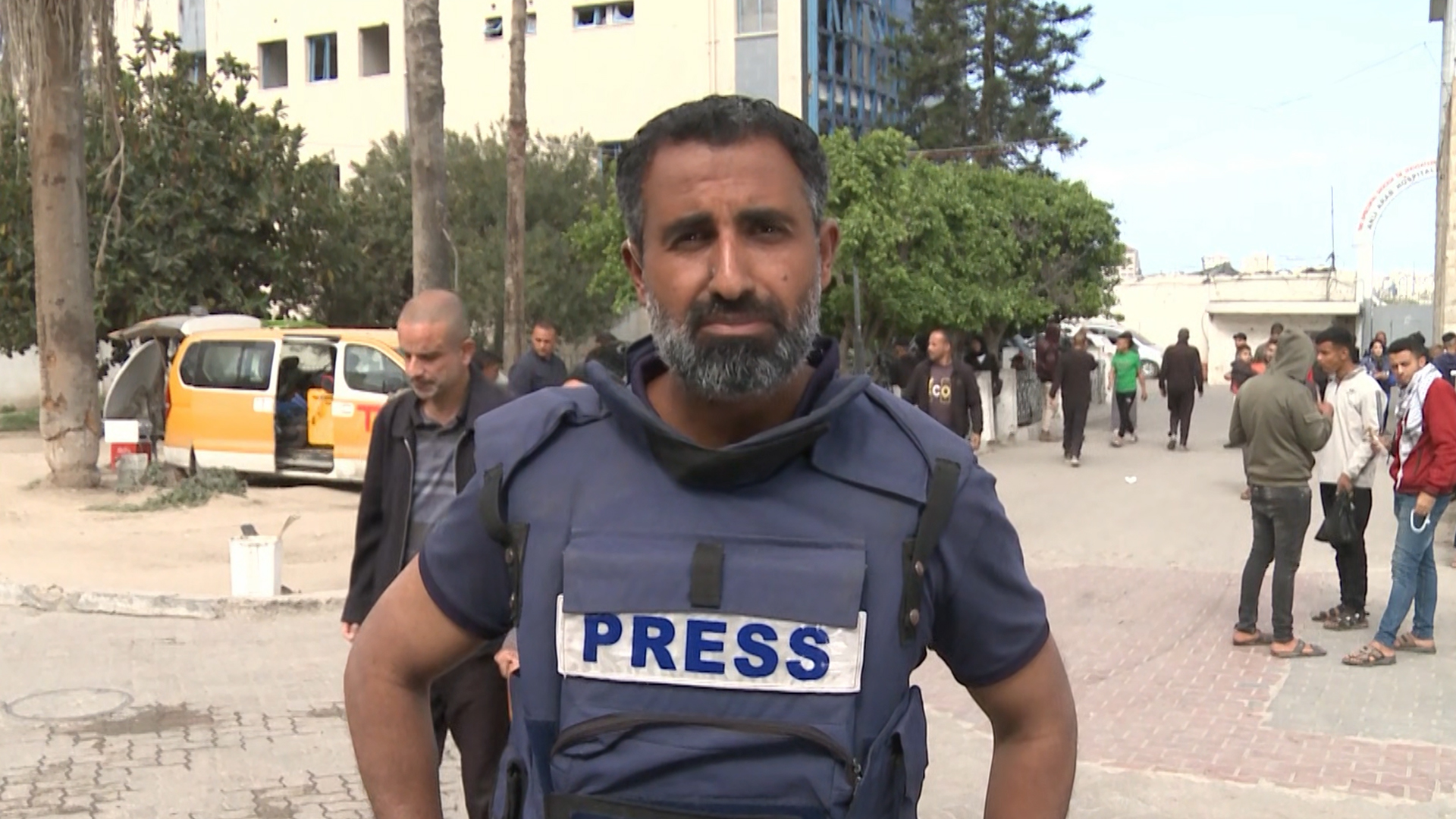
Hospitals, once overstretched but functioning, now operate in crisis mode. Over the past month of fieldwork, I visited many medical facilities that have been damaged or forced out of service entirely.
Those still functioning face severe shortages of medicine, equipment, electricity and staff.
I remember the depressed feeling I had after visiting two intensive care units in Gaza City and the central area of the Strip.
Both were overcrowded, forced to put patients two to a bed.
The dialysis machines operated under constant threat of power loss, as did operating theatres that would often go dark mid-procedure.
Harshest of all, the medical teams are often forced to make impossible decisions about who receives care and who must wait.
Beyond health and utilities, the destruction of roads, public facilities and municipal infrastructure has fractured Gaza from within: rubble-filled streets, sewage-flooded roads, slow ambulances and aid delivery.
Rubbish collection has largely ceased, leading to the spread of disease. Telecommunications infrastructure has been repeatedly knocked out, isolating families and cutting people off from emergency services and the outside world.
There’s a cumulative effect of Israel’s intense bombing campaign – which is being carried out deliberately to paralyse daily life – because infrastructure systems depend on one another.
Without electricity, water cannot be pumped. Without fuel, hospitals cannot function. Without roads, aid cannot reach those in need.
Each collapse accelerates the next while creating new layers of difficult living conditions.
As the year 2025 approaches its end, Gaza’s entire infrastructure no longer supports normal life; it barely sustains survival.
Talking about rebuilding does not simply mean reconstructing buildings, but also the restoration of systems that allow people to live with dignity: safe water, reliable electricity, functioning hospitals, and basic public services.
Until then, Gaza’s civilians continue to endure the consequences of another year that has shaken the foundations of daily life.


Post Comment