Iran warns of ‘severe’ response in wake of Trump’s new strikes threat | Israel-Iran conflict News
US president says he would back attacks if Tehran rebuilds nuclear or missile programmes.
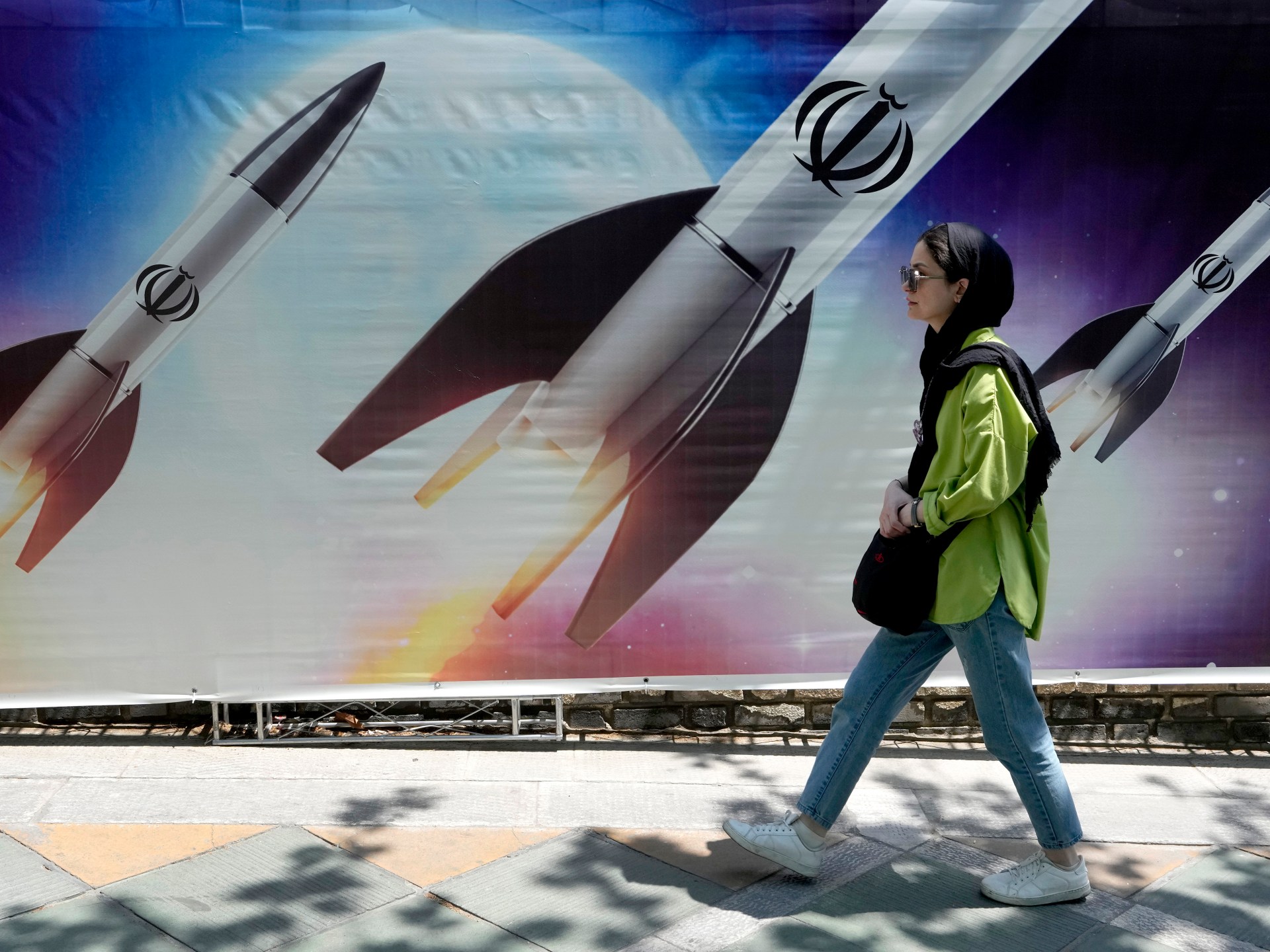
Iran has promised to respond harshly to any aggression after United States President Donald Trump threatened further military action, should Tehran attempt to rebuild its nuclear programme or missile capabilities.
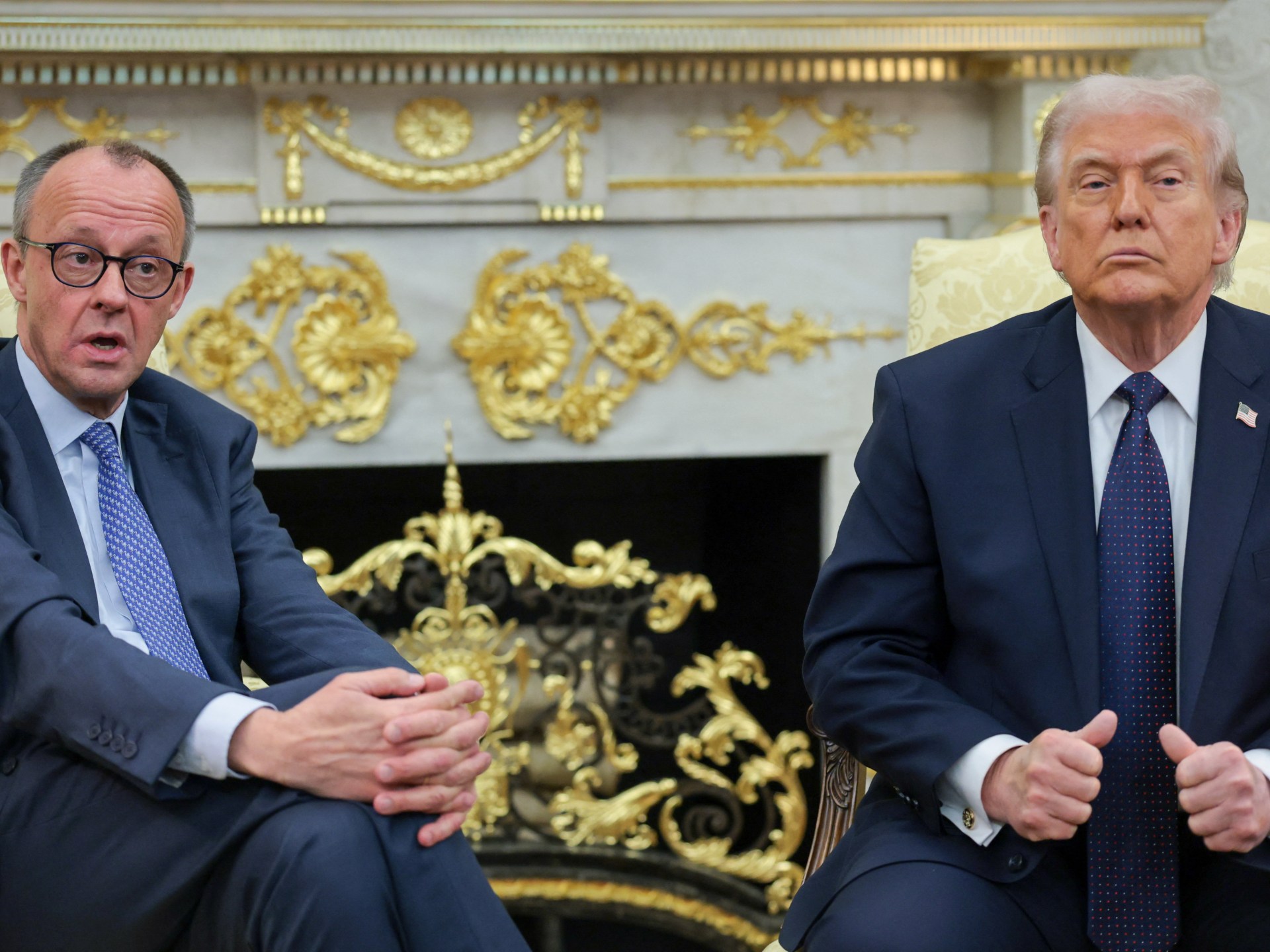
President Masoud Pezeshkian issued the warning on X on Tuesday, a day after Trump met Prime Minister Benjamin Netanyahu at his Florida estate, where he firmly leaned into the Israeli regional narrative yet again.
The US had not previously said it would target Iran’s missile capabilities, which has long been an Israeli aspiration, focusing instead on Tehran’s nuclear programme. Iran has repeatedly said its nuclear activities are for civilian purposes only, and neither US intelligence nor the UN’s nuclear watchdog found any evidence of atomic weapons production before the June attacks by the US and Israel.
Iran has ruled out negotiating over its missile programme.
The leaders’ comments raise the spectre of renewed conflict just months after a devastating 12-day war in June that killed more than 1,100 Iranians and left 28 in Israel dead.
Pezeshkian said the response of Iran to any aggression would be “severe and regret-inducing”. His defiant message came hours after Trump told reporters at his Mar-a-Lago resort that Washington could carry out another major assault on Iran.
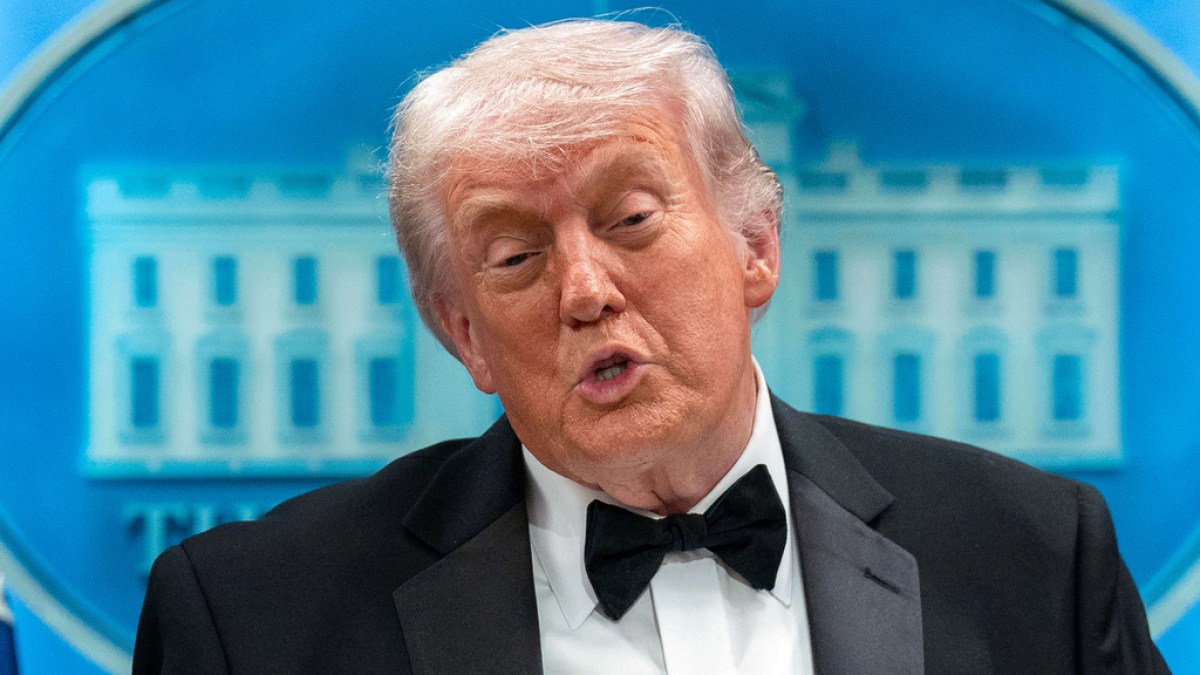
“Now I hear that Iran is trying to build up again, and if they are, we’re going to have to knock them down,” Trump said, standing alongside Netanyahu. “We’ll knock the hell out of them.”
The US president said he would support strikes on Iran’s nuclear programme “immediately” and on its missile facilities if Tehran continues developing long-range weapons.
Israeli officials have expressed concern in recent weeks that Iran is quietly rebuilding its ballistic missile stockpile, which was significantly depleted during the June conflict.
“If the Americans do not reach an agreement with the Iranians that halts their ballistic missile program, it may be necessary to confront Tehran,” an Israeli official told Ynet this week.
Pezeshkian recently described the standoff as a “full-scale war” with the US, Israel and Europe that is “more complicated and more difficult” than Iran’s bloody conflict with Iraq in the 1980s, which left more than one million dead.
The June war saw Israel launch nearly 360 strikes across 27 Iranian provinces over 12 days, according to conflict monitoring group ACLED, targeting military installations, nuclear facilities and government buildings.
The assault destroyed an estimated 1,000 Iranian ballistic missiles and killed more than 30 senior military commanders and at least 11 nuclear scientists.
Iran fired more than 500 missiles at Israel during the conflict, with approximately 36 landing in populated areas. While Trump claimed Iranian nuclear capabilities were “completely obliterated” by the strikes, experts disputed that, saying Tehran may have hidden stockpiles of enriched uranium and could resume production within months.
Despite the losses, Iranian officials insist the country is now better prepared for confrontation. In a recent interview, Pezeshkian said Iran’s military forces are “stronger in terms of equipment and manpower” than before the ceasefire.
The war failed to trigger the internal unrest it is suspected that Netanyahu had hoped for. No significant protests materialised, and daily life in Tehran largely continued despite the bombardment.

Post Comment