War in Sudan: Humanitarian collapse, fighting, deadlock, December 2025 | Sudan war News
Mass atrocities in Kordofan, the seizure of a key oilfield, and a “crime scene” in el-Fasher mark a deadly month as international funding dries up.

Published On 31 Dec 2025
The brutal war in Sudan, now deep into its third year, has shifted its centre of gravity to the strategic central region of Kordofan from Darfur, threatening to split the country in two.
December saw the paramilitary Rapid Support Forces (RSF) expand its offensive, seizing vital oil infrastructure and laying siege to key cities, while the government-aligned Sudanese Armed Forces (SAF) intensified aerial campaigns.
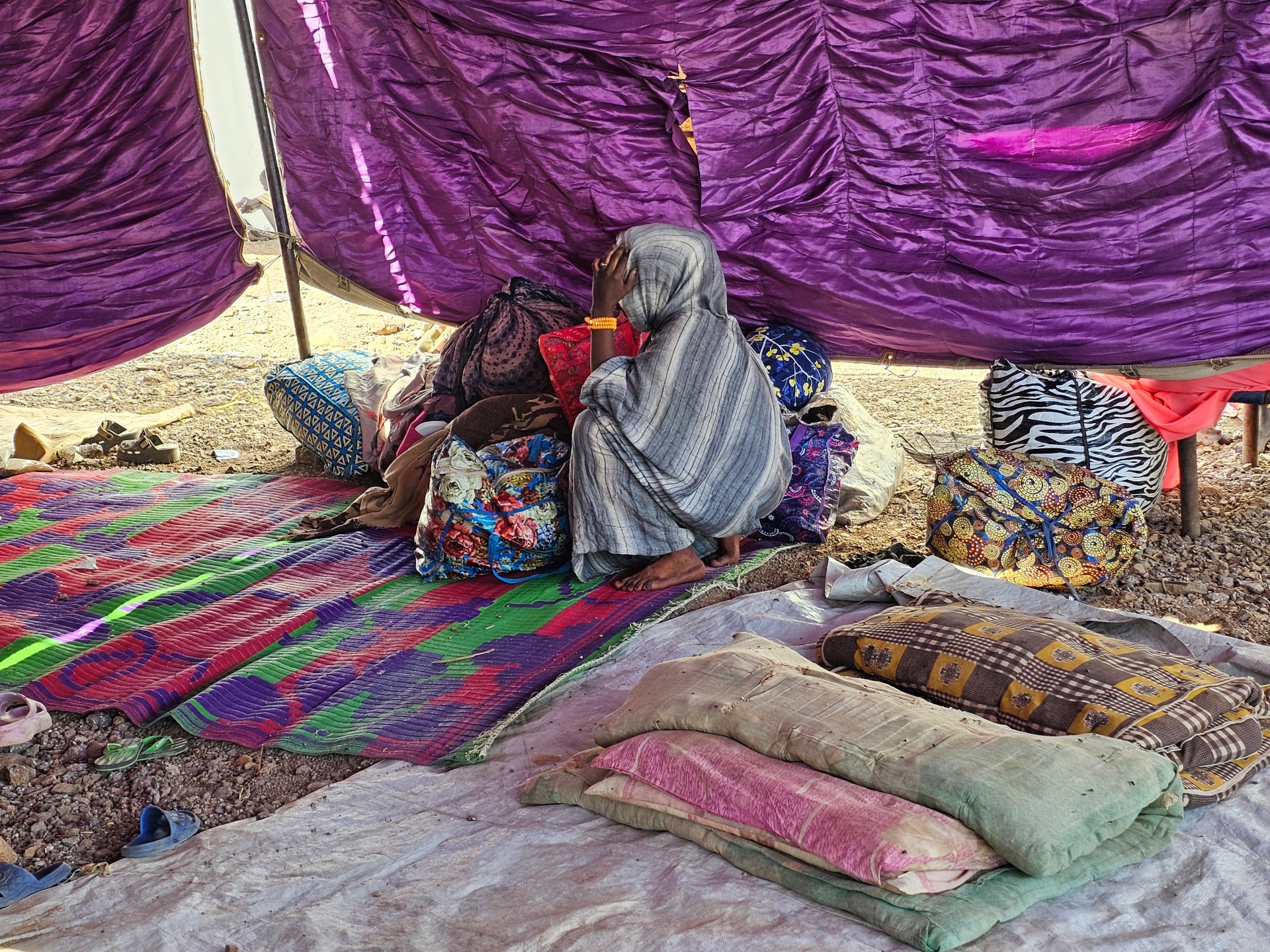
Humanitarian conditions hit a new nadir as the United Nations warned of a “survival mode” operations plan due to severe funding cuts, leaving millions at risk of starvation in 2026.
Here are the key battlefield, humanitarian, and political developments for December 2025.
Fighting and military control
- Battle for oil and the South Sudan deal: On December 8, the RSF seized the strategic Heglig oilfield – Sudan’s largest – in West Kordofan. Following a deadly drone attack on the facility, a tripartite agreement involving SAF, RSF, and Juba saw South Sudanese troops deploy to secure the field and neutralise it from combat.
- Kordofan as the new epicentre: Violence surged across Kordofan. The RSF claimed control of Babnusa, the gateway to West Kordofan, though the army denied the total fall of the city. Meanwhile, the RSF maintained “airtight sieges” on Kadugli and Dilling in South Kordofan, while pushing towards the strategic North Kordofan capital, el-Obeid.
- Escalation of drone warfare: Drones were used extensively by both sides with devastating effect. A strike on the Atbara power plant in River Nile state plunged major cities, including Port Sudan, into darkness. In Kalogi, South Kordofan, a drone attack on a preschool and hospital killed at least 116 people, including 46 children.
- Attacks on UN Peacekeepers: On December 13, a drone attack hit a UN logistics base in Kadugli, killing six Bangladeshi peacekeepers and wounding eight others. UN Secretary-General Antonio Guterres condemned the attack, stating it may constitute a war crime.
- El-Fasher a “crime scene”: A UN team gained access to el-Fasher for the first time since its fall in October, describing the largely deserted city as a “crime scene“. A report by the Yale Humanitarian Research Lab documented a systematic RSF campaign to burn bodies and destroy evidence of mass killings.
- Military plane crash: An Ilyushin Il-76 military transport plane crashed at Port Sudan’s Osman Digna airbase due to a technical malfunction, killing the entire crew.
Humanitarian crisis
- Aid funding collapse: The UN announced it has been forced to halve its 2026 appeal to $23bn due to donor fatigue. Consequently, the World Food Programme (WFP) warned it must cut food rations by 70 percent starting in January, affecting communities already facing famine.
- Sudan tops emergency list: The International Rescue Committee (IRC) placed Sudan at the top of its Emergency Watchlist for 2026, citing the convergence of conflict, economic collapse, and shrinking international support.
- Systematic sexual violence: A report by the Strategic Initiative for Women in the Horn of Africa (SIHA) documented nearly 1,300 cases of sexual violence, attributing 87 percent of them to the RSF. The report detailed how rape is being used as a weapon of war, particularly against non-Arab groups.
- Health catastrophe: Malnutrition rates have skyrocketed, with UNICEF reporting that 53 percent of children screened in North Darfur are acutely malnourished. In Khartoum, a survey found 97 percent of households face food shortages, as authorities began exhuming makeshift graves in residential areas to move bodies to official cemeteries.
- EU Air Bridge: The European Union launched an “air bridge” operation to deliver life-saving supplies to Darfur, describing the situation there as “one of the world’s hardest places to reach”.
Diplomacy and political developments
- Deadlock at the UN: Sudanese Prime Minister Kamil Idris presented a peace plan to the UN Security Council proposing an RSF withdrawal and disarmament. The RSF rejected the proposal as “wishful thinking” and “fantasy”.
- Al-Burhan rejects compromise: Speaking from Turkiye, SAF chief Abdel Fattah al-Burhan ruled out negotiations, insisting the war would only end with the RSF’s “surrender” and disarmament.
- Civilian “Third Pole”: In Nairobi, civilian leaders, including former PM Abdalla Hamdok and rebel leader Abdelwahid al-Nur, signed a declaration forming a new antiwar bloc, attempting to reclaim political agency from the warring generals.
- US pressure and sanctions: US Secretary of State Marco Rubio intensified diplomatic efforts, stating President Donald Trump is personally involved. The US Treasury sanctioned four Colombian nationals and companies for recruiting mercenaries to fight for the RSF.
- ICC Conviction: In a historic verdict, the International Criminal Court sentenced former Popular Defence Forces (Janjaweed) leader Ali Kushayb to 20 years in prison for war crimes committed in Darfur (2003-2004), the first such conviction for the region.

Post Comment