Myanmar’s military holds second phase of elections amid civil war | Elections News
Polls have opened in 100 townships across the country, with the military claiming 52 percent turnout in the first round.
Myanmar has resumed voting in the second phase of the three-part general elections amid a raging civil war and allegations the polls are designed to legitimise military rule.
Polling stations opened at 6am local time on Sunday (23:30 GMT on Saturday) across 100 townships in parts of Sagaing, Magway, Mandalay, Bago and Tanintharyi regions, as well as Mon, Shan, Kachin, Kayah and Kayin states.
Recommended Stories
list of 4 itemsend of list
Many of those areas have seen clashes in recent months or remain under heightened security.
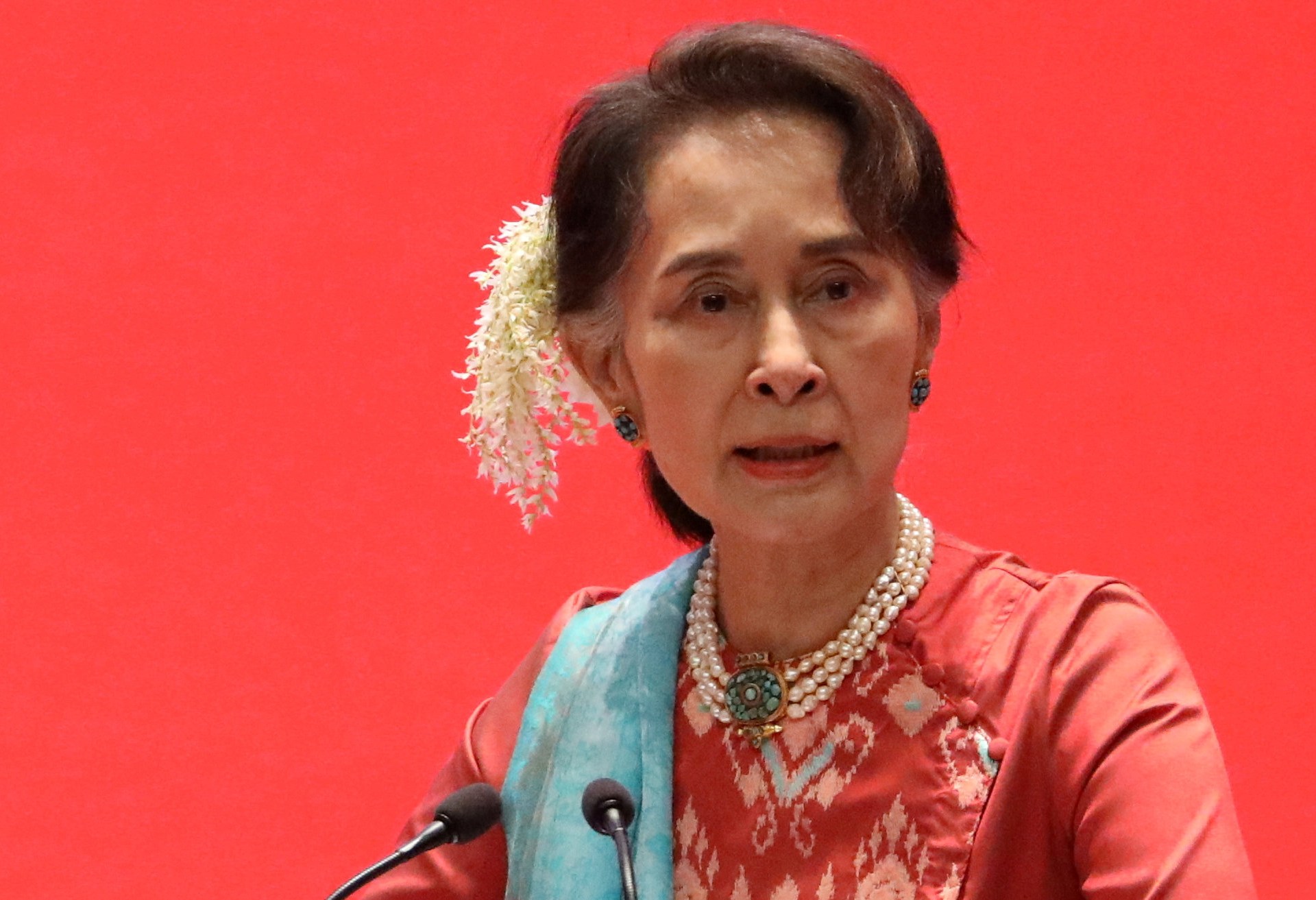
Myanmar has been ravaged by conflict since the military ousted a civilian government in a 2021 coup and arrested its leader, Nobel Peace Prize winner Aung San Suu Kyi, leading to a civil war that has engulfed large parts of the impoverished nation of 51 million people.
Aung San Suu Kyi’s National League for Democracy party, which swept the last election in 2020, has been dissolved along with dozens of other antimilitary parties for failing to register for the latest polls.
The election is taking place in three phases because of the ongoing conflict. The first phase unfolded on December 28 in 102 of the country’s 330 townships, while a third round is scheduled for January 25.
Some 65 townships will not participate due to ongoing clashes.
The military claimed a 52 percent voter turnout after the December 28 vote, while the pro-military Union Solidarity and Development Party (USDP), which analysts say is a civilian proxy for the military, said it won more than 80 percent of seats contested in the lower house of the legislature.

“The USDP is on track for a landslide victory, which is hardly a surprise given the extent to which the playing field was tilted in its favour. This included the removal of any serious rivals and a set of laws designed to stifle opposition to the polls,” said Richard Horsey, senior Myanmar adviser for Crisis Group.
Myanmar has a two-house national legislature, totalling 664 seats. The party with a combined parliamentary majority can select the new president, who can pick a cabinet and form a new government. The military automatically receives 25 percent of seats in each house under the constitution.
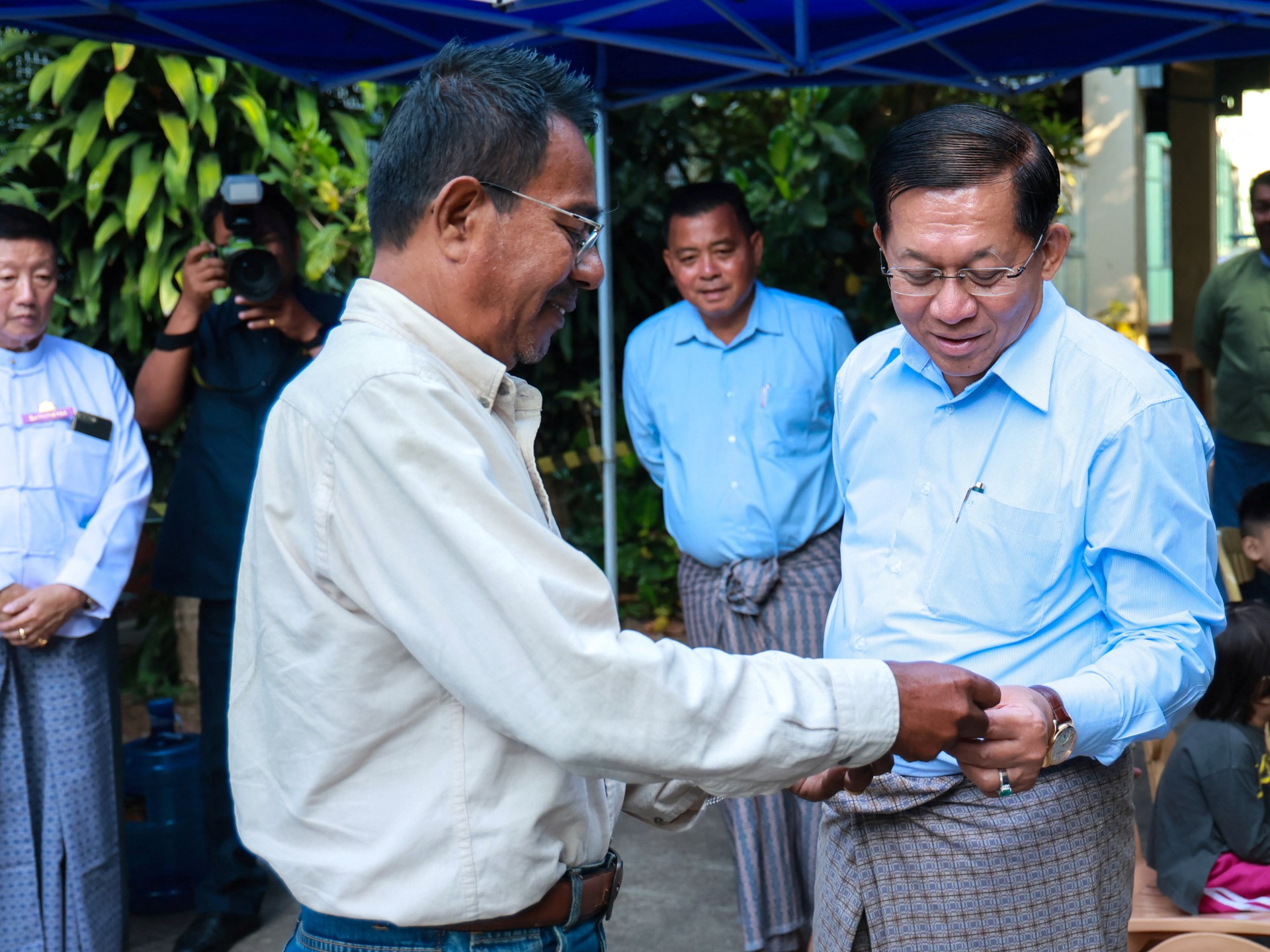
On Sunday morning, people in Yangon, the country’s largest city, cast their ballots at schools, government offices and religious buildings, including in Aung San Suu Kyi’s former constituency of Kawhmu, located roughly 25km (16 miles) south of the city.
As she exited her polling station, 54-year-old farmer Than Than Sint told the AFP news agency she voted because she wants peace in Myanmar, even though she knows it will come slowly given the fractured country’s “problems”.
Still, “I think things will be better after the election”, she said.
Others were less enthusiastic. A 50-year-old resident of Yangon, who asked to remain anonymous for safety reasons, said, “The results lie only in the mouth of the military.”
“People have very little interest in this election,” the person added. “This election has absolutely nothing to do with escaping this suffering.”
The United Nations and human rights groups have called the elections a “sham” that attempt to sanitise the military’s image.
Tom Andrews, the UN special rapporteur on the situation of human rights in Myanmar, said earlier this week that the election was “not a free, fair, nor legitimate election” by “all measures”.
“It is a theatrical performance that has exerted enormous pressure on the people of Myanmar to participate in what has been designed to dupe the international community,” Andrews said.
Laws enacted by the military ahead of the vote have made protest or criticism of the elections punishable by up to 10 years in prison. More than 200 people currently face charges under the measure, the UN said, citing state media.
Separately, at least 22,000 people are currently being detained in Myanmar for political offences, according to the Assistance Association for Political Prisoners.

Post Comment