Lebanese fear US has given green light for Israeli escalation | Israel attacks Lebanon
Beirut, Lebanon – Fears are rife in Lebanon over another Israeli military escalation, similar to the one in 2024 that killed more than 4,000 people and displaced around a quarter of the country’s population.
The intensification comes amid growing pressure by the United States and Israel on Lebanon to ensure the Shia group Hezbollah disarms. The decision to bring Hezbollah’s weapons under state control is popular in Lebanon outside of the group’s traditional support base. But analysts also fear internal tensions could lead to violence if Israel continues to attack the country without impunity and disarmament is pushed through by force.
Recommended Stories
list of 3 itemsend of list
Tensions are also growing after a meeting in Florida between US President Donald Trump and Israel’s Prime Minister Benjamin Netanyahu on December 29, when the latter was reportedly given a green light to begin a new offensive against Hezbollah in Lebanon.
Despite an ongoing ceasefire since November 2024, Israel has attacked Lebanon almost daily. Tens of thousands of Lebanese are still displaced from their homes along Lebanon’s southern border.
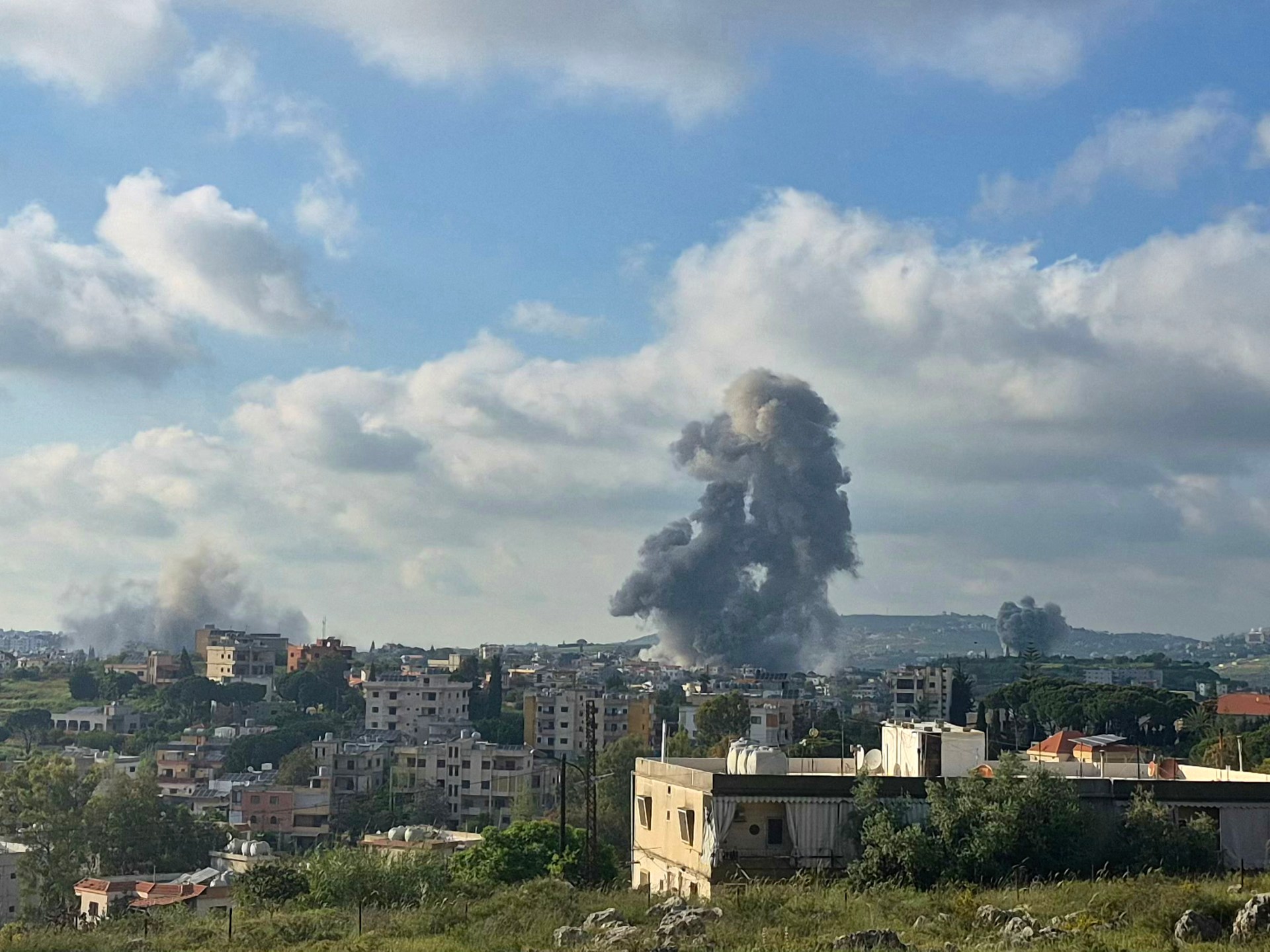
And now the fear is that military action will ramp up. On Sunday alone, Israel launched around 25 attacks on south Lebanon, leaving many in the country worried about further widespread attacks. The United Nations says Israel has violated the ceasefire more than 10,000 times since November 2024.
Continued violations
Almost a year into the conflict that began in October 2023, Israel escalated its war on Lebanon, launching a devastating series of strikes between September and November 2024.
Every region in Lebanon was hit by some kind of Israeli attack, including air strikes or drone strikes. However, the areas primarily targeted, the south, eastern Lebanon’s Bekaa Valley, and Beirut’s southern suburbs (known as Dahiyeh), are predominantly inhabited by Shia Muslims, the sect from which Hezbollah derives the majority of its domestic support.
Among the dead in the attacks was the long-time leader of Hezbollah, Hassan Nasrallah.
Then in October, Israeli troops invaded south Lebanon and fought Hezbollah on Lebanese territory. When the ceasefire was agreed in November, Israel was supposed to withdraw all its troops from Lebanese territory within two months.
For its part, Hezbollah was to retreat to north of the Litani River and the Lebanese Army would deploy to south Lebanon.
Attacks from both sides would also cease.
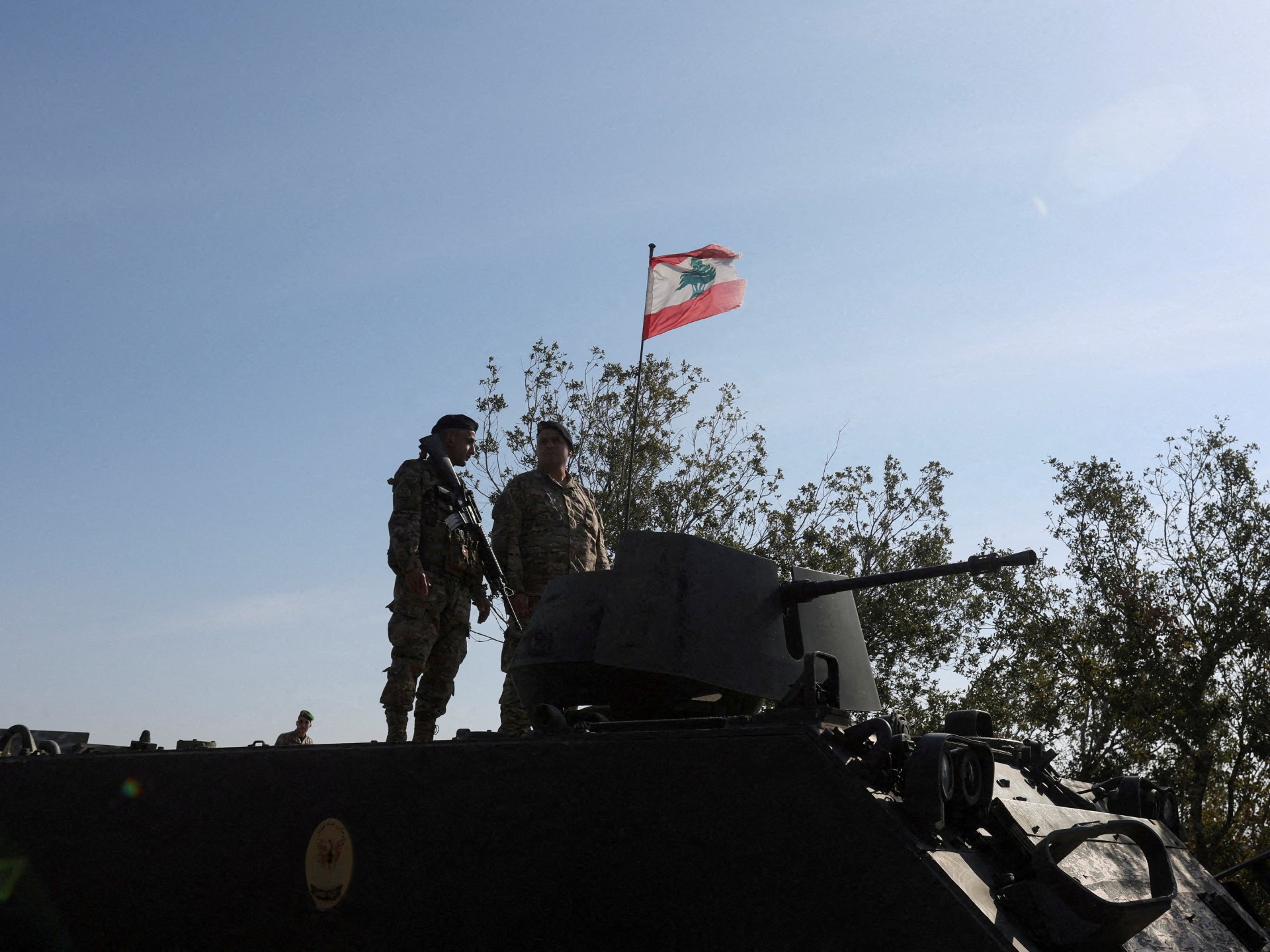
In the last year, however, Israel has continued to attack Lebanon almost daily. Hezbollah has largely avoided responding militarily, and the Lebanese Army has also dismantled Hezbollah’s infrastructure in south Lebanon, according to Lebanese government and military officials.
Israel withdrew most of its troops, but kept hold of five areas inside Lebanon, under the guise of ensuring its security.
“You can’t only trust international guarantees or borders. You have to be wherever there is danger. This is the main lesson from October 7,” Amit Segal, an Israeli journalist who is familiar with Israel’s Netanyahu administration, told the New York Times in October, referring to the Hamas-led attack on southern Israel in 2023.
Trump’s threats
On January 8, the Lebanese Army announced it had completed its mission of disarming Hezbollah south of the Litani.
But Israel’s Foreign Ministry doesn’t agree, saying “extensive Hezbollah military infrastructure still exists south of the Litani River”.
“Hezbollah is rearming faster than it is being disarmed,” it said, accusing the Lebanese Army of collaborating with Hezbollah, without providing evidence.
Commander of the United Nations Interim Force in Lebanon (UNIFIL) Diodato Abagnara said there was no sign of Hezbollah regrouping in the south, and analysts told Al Jazeera late last year that the group was weakened to the point that it could not threaten Israel.
Regardless of the evidence put forward by Lebanese or UN officials, Israel doesn’t seem to be convinced. Analysts believe that Israel can only be stopped from attacking by one power: the United States.
Trump restrained Israel from a follow-up attack on Iran last July. But the US president has largely emboldened Netanyahu to continue his militaristic agenda in Lebanon and elsewhere in the Middle East.
Following the Florida meeting between Trump and Netanyahu, Arab and Israeli media suggested that the Israeli prime minister had received a green light from the US president to go after Hezbollah and intensify attacks in Lebanon again.
“Hezbollah must be completely disarmed,” Trump is alleged to have said, according to the Jerusalem Post.
“If the Lebanese Army doesn’t succeed in disarming them, and Israel believes an action is the necessary thing to do [then the US backs Israel].”
Bombing reconstruction
Residents in south Lebanon have gotten used to the attacks, but aren’t sure what to expect next.
“The situation is calm,” a local named Hussein Salman told Al Jazeera, adding without any sense of irony, “One day there’s an attack, another there isn’t. It’s calm”.
Kamel Jaber, a journalist from the southern town of Nabatieh, told Al Jazeera that the situation remained tense.
“Sometimes several days pass with nothing happening,” Jaber said. “Sometimes a single day passes, and the Israelis, through their warplanes, carry out a series of fire attacks or a series of successive raids on specific locations.”
“Sometimes they say they have eliminated Hezbollah’s missile capabilities, and then a little while later they escalate their attacks on the Lebanese state, claiming that Hezbollah’s weapons are still present and active,” Jaber said.
Many in Lebanon are now convinced that what happens next will depend on Israel’s agreements and calculations with the US, rather than anything the Lebanese government does.
And for many in the south – including Ali Attieh, the head of a farmers’ cooperative in the village of Kfar Hamam – the reason is simple.
“Israel wants to wage war,” Attieh said.

Post Comment