Sharp rise in malnutrition cases, preventable diseases in Somalia: MSF | Drought News
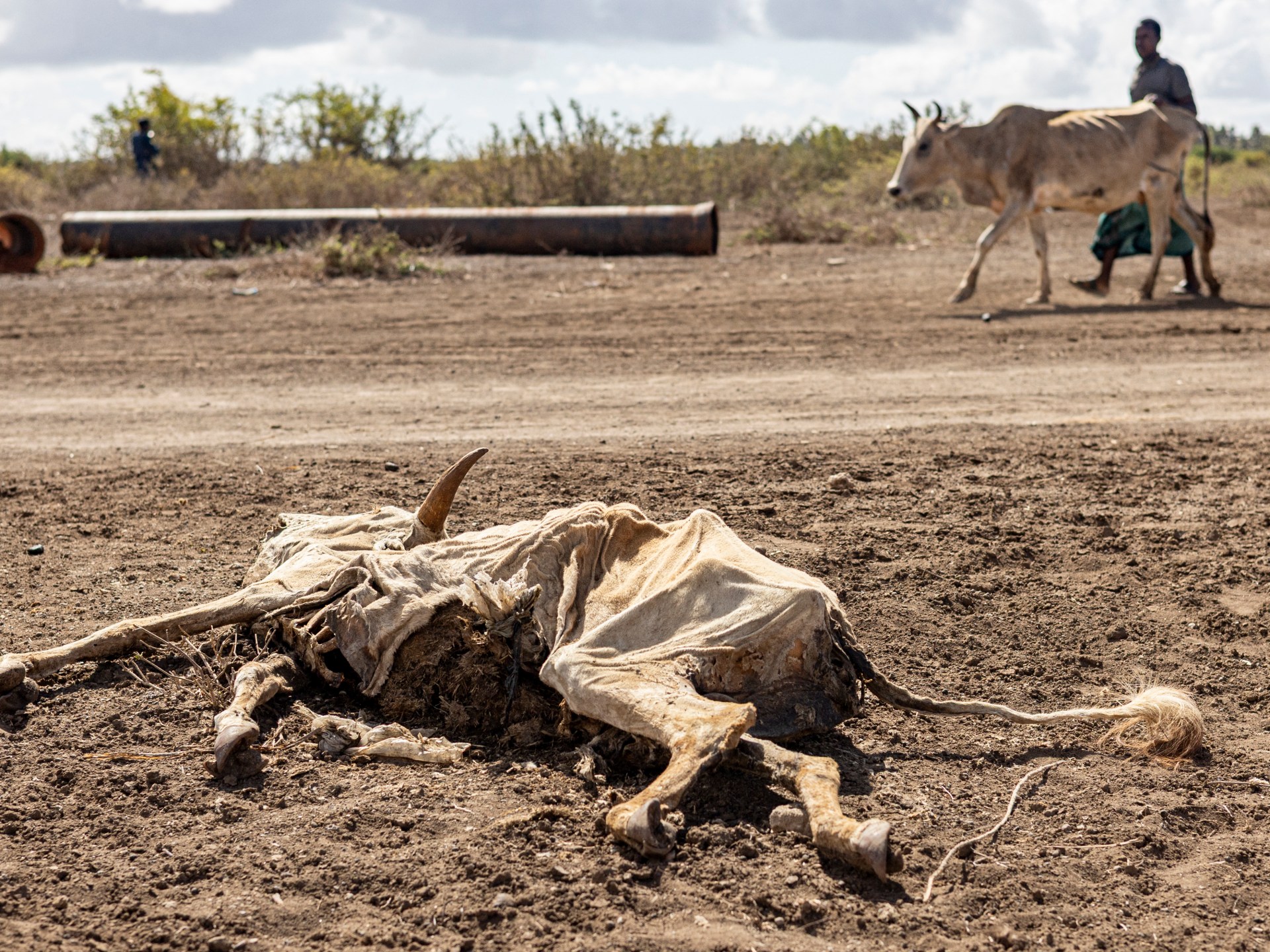
Somalia is facing a deepening health and nutrition emergency as consecutive failed rainy seasons, soaring water prices and sharp cuts to humanitarian aid drive a surge in malnutrition and outbreaks of preventable diseases, Doctors Without Borders, known by its French acronym MSF, warns.
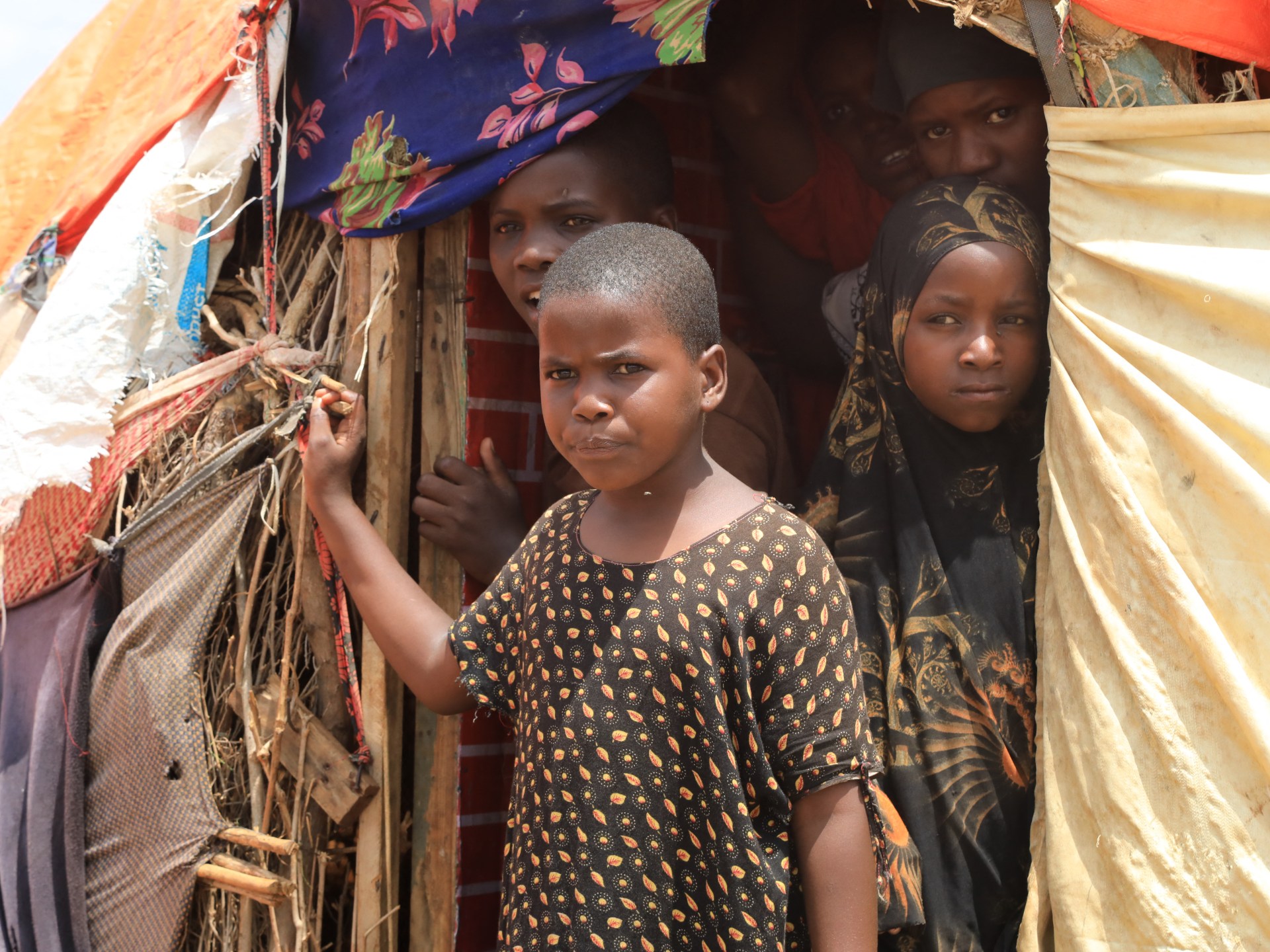
The organisation said on Tuesday that its teams in Somalia had been witnessing “a worrying trend” of increasing numbers of children arriving at overcrowded camps with severe acute malnutrition or measles, diphtheria and acute watery diarrhoea, diseases that can be prevented.
Recommended Stories
list of 4 itemsend of list
“We are seeing children arriving at our hospitals in critical condition, often after travelling for days without food or water,” said Allara Ali, MSF’s project coordinator in Somalia.
The East African nation’s government declared a drought emergency in November, but aid agencies said the response has lagged as funding sinks to its lowest level in a decade.
“The drought has not only dried up wells but also the support systems families rely on,” Ali said.
Climate-vulnerable
Ranked among the world’s most climate-vulnerable countries, Somalia has endured recurrent droughts and floods.
After four consecutive failed rainy seasons, United Nations assessments had warned that 4.4 million people could face crisis-level or worse food shortages by the end of 2025, including 1.85 million children under five at risk of acute malnutrition.
More than 3.3 million people have been forced from their homes, many crowding into camps in Baidoa in the southwest and Mudug in central Somalia.
While need has risen, aid provision has shrunk. Since early 2025, more than 200 health and nutrition facilities have closed nationwide while food assistance has dropped from reaching 1.1 million people a month to 350,000.
In Baidoa, MSF recorded a 48 percent increase in admissions for severe acute malnutrition in October compared with the previous month.
During the same period, 189 children were treated for suspected measles, 95 percent of whom had never been vaccinated, the organisation said.
In Mudug, admissions to inpatient therapeutic feeding centres rose by 35 percent.

Surging cost of water
Displacement camps, where water and sanitation are scarce, have become flashpoints for disease.
The cost of water has surged beyond the reach of many families with a 200-litre (53-gallon) barrel selling for $2.50 to $4 in Baidoa and Mudug.
“We cannot afford water,” said Kaltuma Kerow, a 35-year-old mother living in a displaced persons camp in Baidoa. “We are extremely short of food and water, and we fear diseases like cholera.”
She added: “Hunger and lack of clean water are making everything worse.”
In Galkayo, capital of the Mudug region, Rahma Mohamed Ibrahim said life had “become extremely hard” for her family over the past seven years as they were repeatedly displaced by floods, conflict and drought.
“We have eight children, most are malnourished,” she said.
Accessing clean water is beyond her family’s means, she said, resulting in illness for her children.
“We pay $4 for a tank of water or 25 cents for a jerrycan of salty water,” she said. “My children drink it and get diarrhoea.”
In response to acute shortages, MSF launched emergency water trucking in Baidoa in December, delivering more than 6 million litres (1.6 million gallons) of safe drinking water to 17 sites by mid-January and installing water bladders and solar lighting.
Situation ‘unacceptable’
Yet aid workers said such measures barely make a dent due to the scale of the crisis, especially as the harsh dry season takes hold.
“This situation is unacceptable because it is predictable and largely preventable,” said Elshafie Mohamed, MSF’s country representative in Somalia.
“The current humanitarian response is leaving millions without access to basic healthcare, food or water.”
MSF is urging donors and authorities to urgently scale up nutrition programmes, vaccination campaigns and water services while also investing in climate-resilient water infrastructure and sustained support for essential healthcare.
Without a coordinated, multisector response, the organisation warned, deaths from preventable causes will continue to rise in the months ahead.

Post Comment