US slaps sanctions on Maduro family, Venezuelan tankers: What we know | Explainer News
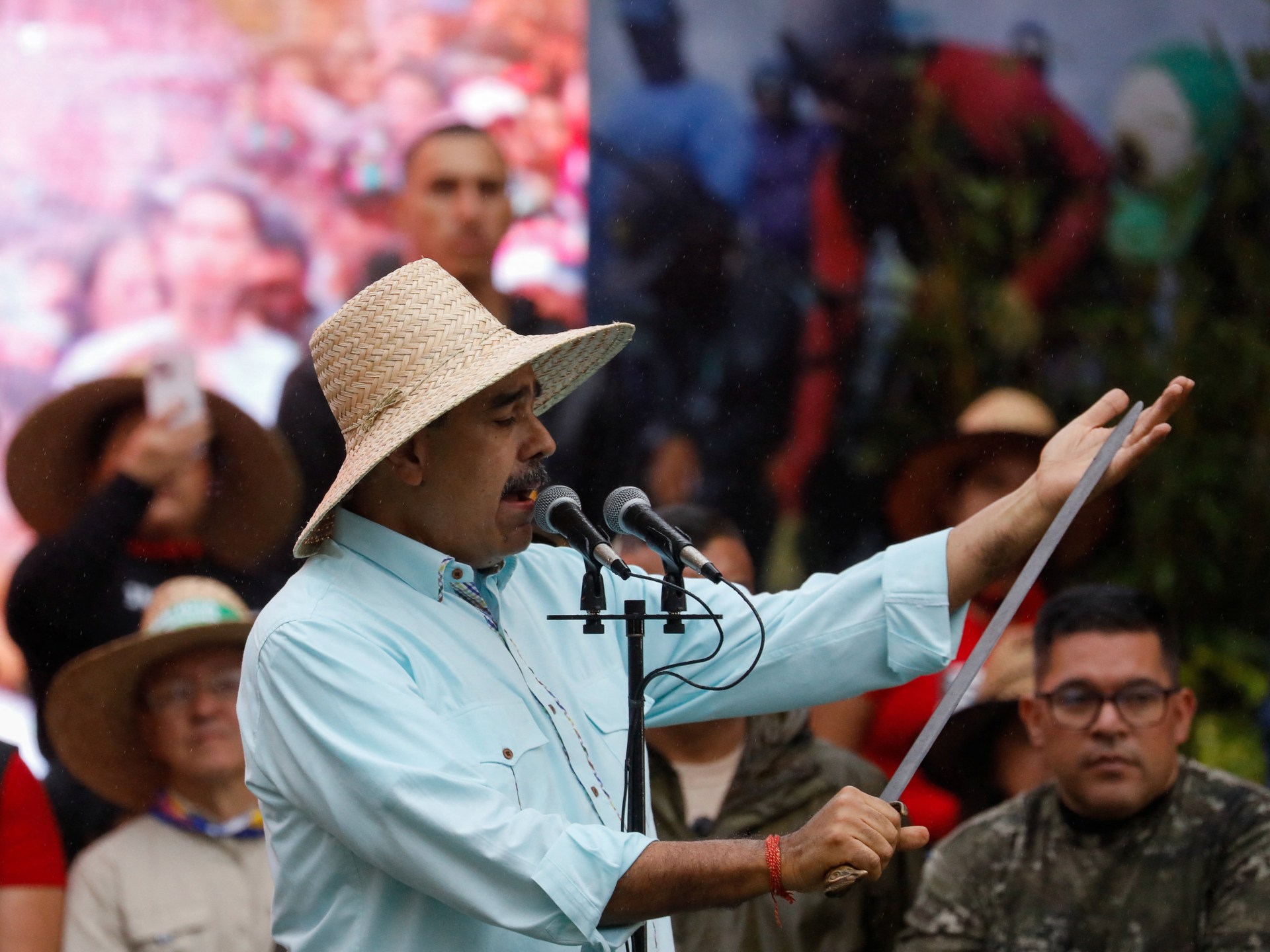
The United States has announced sanctions on three nephews by marriage of Venezuelan President Nicolas Maduro and six Venezuela-flagged oil tankers and shipping firms linked to them, amid ongoing political conflict between Washington and Caracas.
This latest move by Donald Trump’s administration on Thursday came just one day after US forces seized another oil tanker, the Skipper, just off the coast of Venezuela.
As well as the so-called “narco-nephews” – Franqui Flores, Carlos Flores and Efrain Campo – the US has also placed sanctions on Panamanian businessman Ramon Carretero.
Since September, the US has carried out at least 21 deadly strikes on alleged drug-smuggling boats in the Caribbean Sea, killing more than 80 people. While the White House has justified the attacks as necessary to stem the flow of illegal drugs into the US, political observers believe the aim is to drive Maduro out of power, not least because Venezuela is not a main source of drugs and the Trump administration has provided no evidence that any of the boats were carrying them.
So, what sanctions are imposed by the Trump administration? Why is Washington sanctioning Venezuelan oil? And how does Chevron, a US oil major, still get to do business in Venezuela?

What new sanctions have been placed on the Maduro family and oil tankers?
Escalating economic pressure on Venezuela, the US Treasury Department imposed new sanctions targeting members of Maduro’s family and the maritime network facilitating the country’s oil exports.
Announcing the measures, US Treasury Secretary Scott Bessent said they marked a reversal of the previous Biden administration’s diplomatic strategy and aimed to cut off funding for what the US terms a “corrupt narco-terrorist regime”.
The new designations focus on the nephews of Maduro’s wife, Cilia Flores. The US’s Office of Foreign Assets Control (OFAC) sanctioned the “narco-nephews”, two of whom were convicted of drug trafficking in the US in 2016 but granted clemency by President Biden in 2022 in a prisoner exchange.
Additionally, Carlos Erik Malpica Flores, a former national treasurer and executive of state-owned oil company PDVSA, has been readded to the sanctions list.
The US authorities also named Panamanian businessman Ramon Carretero Napolitano and six shipping companies accused of using “deceptive practices” to transport oil to Asian markets covertly.
Six specific vessels – White Crane, Kiara M, H Constance, Lattafa, Tamia, and Monique – have been identified as “blocked property”.
The Treasury said the new sanctions have been applied in addition to existing ones on President Maduro, his wife, Flores, his son Nicolas Maduro Guerra, and Flores’s three sons, Walter Gavidia Flores, Yosser Gavidia Flores and Yoswal Gavidia Flores.

How do these sanctions work?
Essentially, the sanctions mean targeted individuals are barred from accessing any property or financial assets held in the US. They cannot access US bank accounts, sell their property, or access their money if it passes through the US financial system.
Any US companies or citizens doing business with any sanctioned individual or company will be penalised and risk becoming subject to enforcement actions.
The sanctions extend beyond the individuals on the list. Any entity that is owned 50 percent or more, directly or indirectly, by one or more of the blocked persons is also sanctioned as well, even if that company isn’t explicitly named.
Why is the Trump administration sanctioning the Maduro family?
The Trump administration accuses the family of heading up drug cartels and overseeing drug trafficking in Venezuela.
In its statement, the Treasury Department asserted that the nephews have been involved in trafficking cocaine since they were granted clemency by Biden in 2022.
The new sanctions also have a domestic political dividend as Trump frames them as a direct repudiation of the Biden administration’s diplomatic strategy towards Venezuela.
The Republican president argues that the previous administration’s attempt to offer sanctions relief, including delisting anyone on the terrorist list, has failed to result in democratic elections in Venezuela.
The sanctions mark Trump’s return to a “maximum pressure” strategy, and his aim to dismantle the financial networks that support Maduro.
Trump is hitting Venezuela, a petro-state where up to 95 percent of export earnings are from fossil fuels, where it hurts.
“Maduro continues to deny democratic values in the country and refuses to recognise the will of the Venezuelan people, and thus it is in the foreign policy interest of the United States to continue to apply pressure to those tied to the Maduro regime,” the Treasury said in a statement.

Does that mean US oil companies cannot do business in Venezuela?
No, not entirely. Oil giant Chevron has managed to keep operating there.
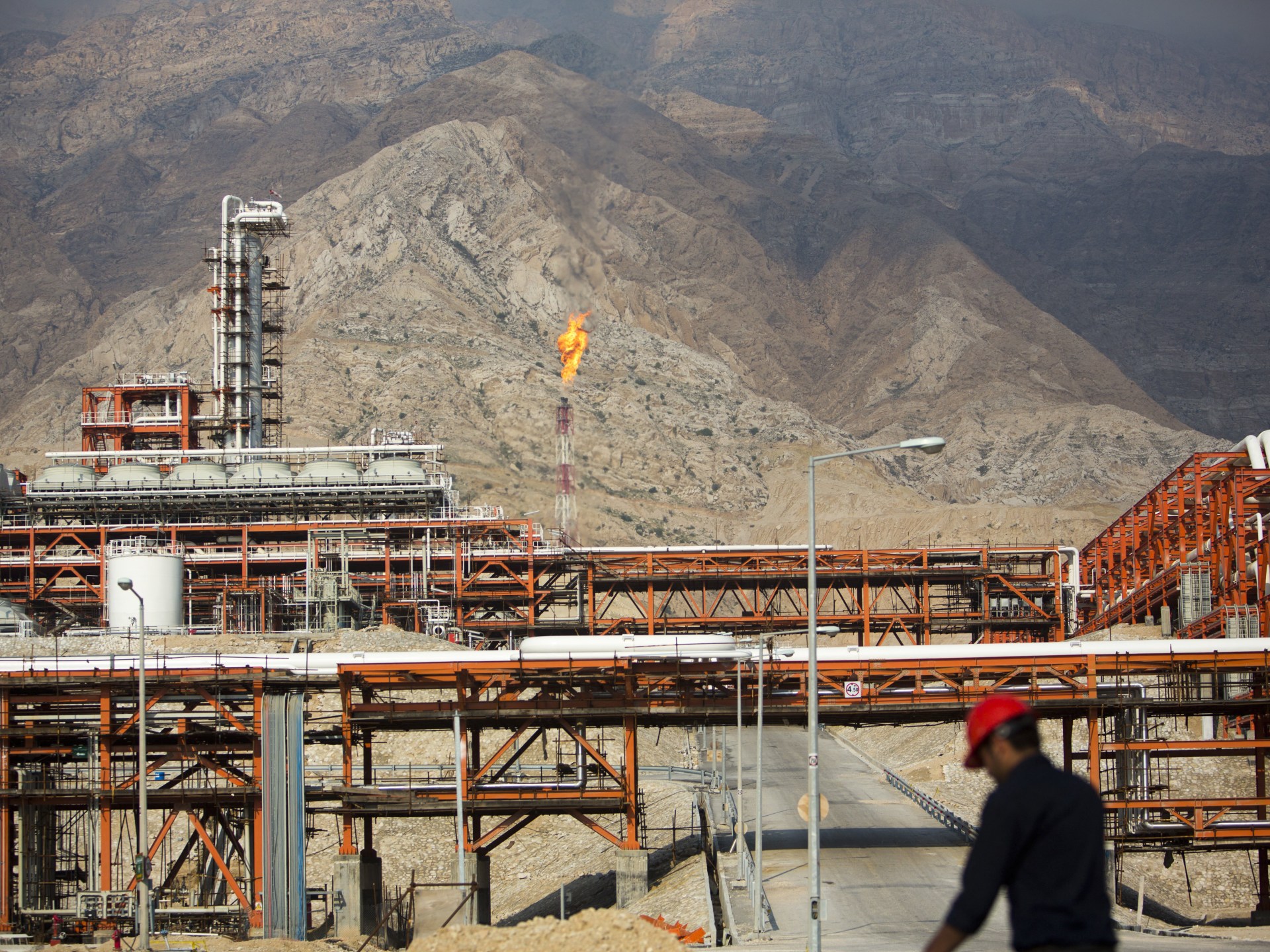
With a capacity of more than 300 billion barrels, Venezuela has the world’s largest proven oil reserves.
However, its reserves have dropped sharply over the past three decades, since former President Hugo Chavez and then the succeeding Maduro administration squeezed control of the state-run oil company, PDVSA.
Currently, Chevron is the only US oil producer still active in Venezuela. The company secured a licence from President Biden in 2022 to operate outside US sanctions. The Trump administration extended the firm another waiver this year.
Chevron, which partners with PDVSA, accounts for about one-fifth of Venezuela’s official oil production.
Chevron increased shipments from 128,000 barrels per day (bpd) in October this year to 150,000bpd last month. The US group says it needs to recover billions of dollars PDVSA owes in unpaid bills and property seizures.
What other sanctions does the US already have in place on Venezuela?
At the core of the US sanctions programme are targeted financial and asset-blocking measures. US citizens and companies are banned from dealing with various designated Venezuelan officials, business leaders and entities whose property and interests in property are frozen in the US, unless authorised to do so by OFAC.
In addition to individual sanctions, the US has imposed broad sectoral restrictions on Venezuela’s economy, most notably on its state-owned oil company, PDVSA, and related oil exports. Since 2017, Washington has barred the Venezuelan government from US financial markets and prohibited the purchase of Venezuelan debt.
In 2019, sanctions were extended to freeze PDVSA assets in the US, restrict US firms – except Chevron – from doing business with PDVSA, and deter international partners from engaging with Venezuela’s oil sector.
US policy also includes visa restrictions and travel bans on Venezuelan officials and their associates, whom they accuse of undermining democracy or being responsible for human rights violations.
The US has also sanctioned maritime and shipping operations connected to Venezuela’s oil trade, including designating vessels and shipping companies which transport Venezuelan crude.
Since Trump’s return to the US presidency earlier this year, the US has added terrorism-related designations to Venezuelan groups it alleges are involved in drug trafficking or broader criminal networks. These designations carry their own financial and legal restrictions, often intersecting with existing economic sanctions.
In November, the US government designated the Venezuelan Cartel de los Soles as a terrorist organisation and alleged that the group, which is accused of drug trafficking operations, is overseen by Maduro himself.

How have sanctions affected Venezuela?
US sanctions against Venezuela have contributed to one of the most severe economic collapses in modern history outside of a war zone.
In the late 1990s, Caracas was producing 3.6 million barrels of oil per day, generating 95 percent of its export revenues. But US sanctions and years of mismanagement have brought production below 1 million bpd.
That severely reduced tax revenues from oil proceeds, a key source of government income. Eventually, after the central bank printed more money to cover budget shortfalls and imports became increasingly expensive, inflation exceeded 1 million percent in 2018.
Venezuela defaulted on its commercial debt in 2017. Together with bonds issued by PDVSA and the state-owned utility, Elecar, the government owes approximately $92bn. An additional $57bn is owed to China and in various arbitration awards.
In all, Venezuela’s debt-to-GDP ratio is estimated at 148 percent.
The US relieved some sanctions briefly during Biden’s presidency, under the 2023 Barbados Agreement, notably on oil and debt, in return for political guarantees such as holding free and fair elections and releasing detained US citizens.
The deal allowed Venezuela to earn an additional $740m in oil sales. But then Maduro blocked his main opponent, Maria Corina Machado, who remains in hiding but was awarded this year’s Nobel Peace Prize, from running for election, and Biden reimposed US sanctions in April 2024.
However, experts suggest, sanctions have actually helped Maduro stay in power to some extent. Venezuelan officials shifted to an illicit “black market” economy using shadow fleets to transport oil. That, in turn, strengthened a loyal circle of military and business elites who profit from evading sanctions, and circling back their support to Maduro.

Are there ways to get around these sanctions?
There are myriad methods Venezuela has adopted under Maduro to skirt US sanctions.
Caracas, in coordination with other sanctioned states such as Iran, has used a “shadow fleet” of older, lightly regulated oil tankers to transport crude to buyers such as Chinese refiners.
These vessels often turn off Automated Identification System (AIS) transponders, use falsified tracking data, change names or flags, or operate under opaque ownership structures in jurisdictions that do not enforce sanctions rigorously.
They aim to conceal the true origin and destination of the oil and frustrate enforcement of sanctions. The Skipper, which was seized off the coast of Venezuela by the US this week, is believed to be a part of this network of tankers which smuggle oil for countries facing stiff sanctions, including Venezuela, Russia and Iran.
Venezuelan oil shipped to China has, in some cases, been labelled as Brazilian crude or otherwise relabelled on certificates of origin, Reuters reported, allowing carriers and buyers to circumvent tagging that would flag cargo as subject to US sanctions.
Transshipment at sea or in intermediate ports, where sanctioned cargoes can be switched from one vessel to another which is not on a sanctions list, is another method of evading detection.
Some sanctioned entities have also been reported as using shell companies or intermediaries in tax havens to obscure beneficial ownership and make it harder for sanctions regulators to trace transactions.
In recent years, Venezuelan officials have also reportedly used cryptocurrencies to facilitate transactions and access foreign currency. While this does not directly replace large oil export proceeds, it reflects broader methods for accessing value outside the formal financial architecture subject to US controls.

Post Comment